2026 Top Architectural House Rendering Trends for Buyers?
In 2026, the world of Architectural House Rendering is evolving rapidly. Buyers are increasingly attracted to innovative designs. The latest trends reflect the desires of modern homeowners. These trends not only enhance aesthetic appeal but also improve functional aspects.
More buyers seek realistic renderings. They want visuals that bring their dream homes to life. This year, vivid colors and unique textures are in demand. Natural materials, like wood and stone, are popular choices. People appreciate renderings that emphasize eco-friendly elements. Yet, some trends can feel repetitive and less authentic.
Buyers sometimes overlook the importance of details. Architectural House Rendering should not just be about beauty. It should tell a story and connect with the purpose of the space. Balancing creativity with practicality is essential. These renderings must inspire confidence in the architectural choices made. Understanding these trends can lead to better decision-making for potential homeowners.
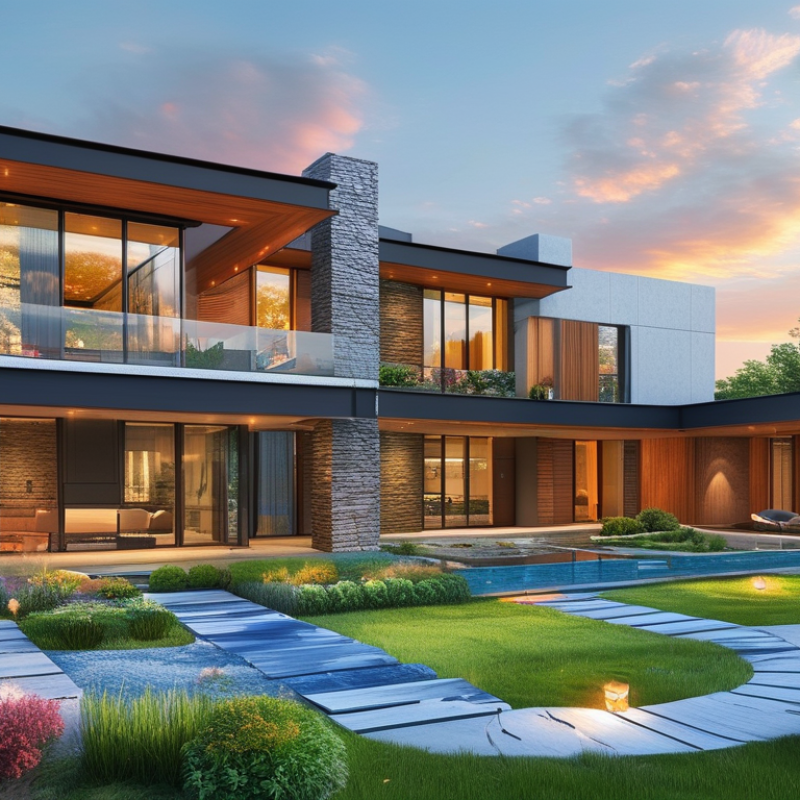
Emerging Technologies Influencing Architectural House Renderings in 2026
In 2026, architectural house rendering is set to undergo significant transformation. Emerging technologies will play a critical role in this evolution. Virtual reality (VR) and augmented reality (AR) are at the forefront. These tools allow buyers to explore homes in immersive environments. They can visualize designs before construction begins. This aids in decision-making and enhances buyer engagement.
Artificial Intelligence (AI) is another game-changer. AI algorithms can analyze homeowner preferences and generate tailored designs. This personalization creates unique experiences. Buyers can request custom features and see how they fit within their visions. It makes the process feel collaborative.
While these innovations are exciting, challenges remain. Not all buyers might find tech-driven processes intuitive. Some may prefer traditional methods. Balancing technological advances with client comfort is key. It's a delicate dance between efficiency and the human touch. Understanding this dynamic will be crucial for architects and buyers alike.

The Shift Towards Sustainable Design in Architectural Renderings
Sustainable design is transforming architectural renderings in 2026. A report from the American Institute of Architects reveals that 73% of firms now prioritize eco-friendly designs. This shift reflects a growing awareness among buyers and architects about environmental impact.
Architectural renderings have evolved to showcase sustainable materials and energy-efficient designs. Visualizations often incorporate elements like green roofs, solar panels, and natural lighting. These features not only appeal to environmentally conscious buyers but also enhance energy performance. However, creating realistic and appealing renderings that reflect these innovations can be challenging. Many designers grapple with balancing aesthetics and sustainability.
Recent surveys indicate that 58% of potential homebuyers prefer properties designed with sustainability in mind. Yet, there is a gap between buyer interest and actual investment in sustainable designs. Buyers appreciate eco-friendly features, but many remain skeptical about costs. As architects navigate this landscape, the challenge lies in making these designs both accessible and visually compelling. The journey toward sustainable architectural rendering is just beginning, with much room for improvement.
2026 Top Architectural House Rendering Trends for Buyers
| Trend | Description | Importance Level | Projected Adoption Rate (%) |
|---|---|---|---|
| Sustainable Materials | Incorporation of eco-friendly materials in renderings to reflect modern sustainability trends. | High | 85 |
| Biophilic Design | Integrating nature into architectural designs, enhancing visual comfort and well-being. | Medium | 75 |
| Virtual Reality Integration | Using VR technology to create immersive architectural experiences for buyers. | High | 65 |
| Smart Technology Features | Showcasing smart home technologies and their integration within design renderings. | High | 70 |
| Energy Efficiency Solutions | Highlighting energy-efficient designs and solutions to attract eco-conscious buyers. | Very High | 90 |
Impact of Virtual Reality on the Buyer’s Experience in House Renderings
Virtual Reality (VR) is revolutionizing house renderings. It allows potential buyers to explore spaces in an immersive way. Instead of flat images, buyers can walk through virtual homes. This technology enhances understanding of layouts. Buyers can see how furniture fits and how spaces feel. This experience makes it easier to envision living in the home.
However, not all VR experiences are perfect. Some designs may fail to represent materials accurately. Colors can appear different in virtual environments. Buyers may find it challenging to gauge the actual size of rooms. These discrepancies can lead to disappointment. It’s crucial for buyers to approach VR with a critical mindset.
Despite its limitations, VR significantly impacts the buying process. It adds a sense of depth to house renderings. Buyers gain confidence in their choices. This technology bridges the gap between imagination and reality. By using VR, clients can make informed decisions. Home-buying has never been this experiential. The real estate market is adapting swiftly to these trends.
Incorporating Biophilic Design Elements in 2026 Architectural Visuals
In 2026, architectural visuals will increasingly showcase biophilic design elements. This integration brings nature into living spaces, promoting well-being. Reports indicate homes with biophilic features can increase property value by up to 15%. Natural light and greenery enhance emotional connections to spaces.
Biophilic design not only creates inviting atmospheres but also supports mental health. A study revealed that exposure to natural elements reduces stress and increases productivity. Architects are now focused on using sustainable materials and large windows to maximize daylight. These features can result in energy savings too.
Consider adding plants or natural materials to your home. Incorporate textures that mimic the outdoors. Think about using materials like wood or stone for a more organic feel. Explore ways to incorporate indoor gardens or green walls, as they offer a connection to nature indoors. Balancing aesthetics and functionality is key. Experiment with elements while being mindful of space and layout.
Trends in Color Palettes and Materials for Architectural Renderings
The trends in color palettes for architectural renderings are evolving rapidly. Neutral tones continue to dominate, offering a sense of warmth and timelessness. Shades of beige and warm grays create cozy yet modern spaces, appealing to many buyers. However, incorporating bold accent colors is also gaining traction. Deep greens and rich blues add vibrancy and personality. These hues reflect nature and bring life into designs. The challenge, however, lies in balance. Too much boldness can overwhelm a space.
Materials play a crucial role in architectural renderings as well. Natural materials like wood and stone are preferred for their authenticity and sustainability. They bring tactile qualities to designs. Clean lines and modern finishes often pair beautifully with organic textures. Yet, there is a risk of overusing popular materials, leading to cookie-cutter designs that lack individuality. Buyers increasingly value uniqueness, which raises the question: how can architects innovate while adhering to popular trends? Exploring unconventional materials could provide a solution, but it requires careful consideration.

