How to Choose the Best Sliding Glass Doors for Your Home?

Choosing the best sliding glass doors for your home is crucial. These doors can enhance both aesthetics and functionality. They create a seamless connection between your indoor and outdoor spaces.

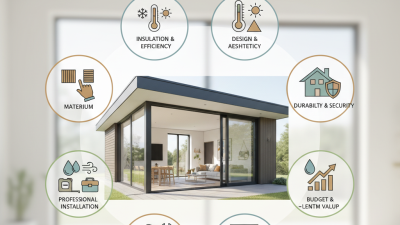
Several factors influence your decision. Consider the material, size, and style. Aluminum and vinyl are popular choices, but each has its pros and cons. Look for energy efficiency ratings to save on bills.

Still, navigating options can be overwhelming. Not every product suits every home. Sometimes, homeowners rush the decision. It’s essential to reflect on your specific needs and preferences. Finding the best sliding glass doors for your space might take time, but the right choice can transform your home.

How to Choose the Best Sliding Glass Doors for Your Home?

Factors to Consider When Selecting Sliding Glass Doors

How to Choose the Best Sliding Glass Doors for Your Home?

When selecting sliding glass doors, several factors demand attention. Glass thickness is crucial. Standard options vary from 1/4 inch to 1 inch. A thicker glass provides better insulation. According to the National Glass Association, double-glazed doors offer improved energy efficiency by up to 30%. This could significantly reduce heating and cooling costs.

Frame material should also be considered. Common choices include vinyl, aluminum, and wood. Vinyl is low maintenance but can warp in extreme temperatures. Aluminum is durable but lacks insulation. Wood offers charm but requires upkeep. A study by the American Architectural Manufacturers Association indicates that well-insulated frames can enhance door longevity.

Security features cannot be overlooked. Multi-point locking systems are becoming standard. They provide added peace of mind against break-ins. The Security Industry Association reports that approximately 30% of all residential burglaries occur through sliding glass doors. Homeowners should think about enhancing their choices with motion sensors or smart locks to increase safety.

Material Options for Sliding Glass Doors: Pros and Cons

When choosing sliding glass doors, material plays a key role. Common options include vinyl, wood, and aluminum. Vinyl is popular for its durability and low maintenance. It resists moisture and doesn't warp easily. However, it might lack the elegance of wood.

Wood offers natural beauty but requires regular upkeep. It can be prone to warping and weather damage. Homeowners must be willing to invest time in sealing and painting. On the other hand, aluminum doors are strong and resistant to the elements. They can provide a modern look but might not offer the best insulation.

Each material has its benefits and drawbacks. Consider your home's style and your lifestyle. Do you prefer low maintenance? Or are you okay with more upkeep for better aesthetics? Reflect on your choice carefully, as sliding glass doors can impact comfort and energy efficiency.

Energy Efficiency Ratings and Their Importance in Selection

When selecting sliding glass doors, energy efficiency ratings play a critical role. These ratings indicate how well a door can retain heat during winter and stay cool during summer. Look for doors with high ratings to ensure comfort year-round. Pay attention to U-factor and Solar Heat Gain Coefficient (SHGC) values. These metrics help quantify energy loss and heat gain.

Consider the climate in your area. Some regions demand better insulation, while others may focus on UV protection. For example, homes in hotter climates benefit from doors with low SHGC ratings. This prevents excessive heat from entering the home. However, doors that excel in one area might lack in another. Hence, evaluate your priorities before making a decision.

It's easy to overlook the installation process. Improper installation can negate energy-saving benefits. Ensure that your chosen doors fit well within your frames. Gaps or leaks can lead to increased energy bills. Often, people underestimate the importance of professional help in this regard. Keeping these factors in mind will guide you to making a more informed choice.

How to Choose the Best Sliding Glass Doors for Your Home? - Energy Efficiency Ratings and Their Importance in Selection
Door Type U-Factor SHGC Energy Star Certified Price Range
Vinyl Sliding Door 0.30 0.25 Yes $800 - $1,200
Aluminum Sliding Door 0.35 0.30 No $600 - $1,000
Fiberglass Sliding Door 0.28 0.23 Yes $900 - $1,500
Wood Sliding Door 0.27 0.20 Yes $1,200 - $2,000
Vinyl Clad Sliding Door 0.29 0.22 Yes $1,000 - $1,800

Design and Aesthetic Considerations for Your Home Interior

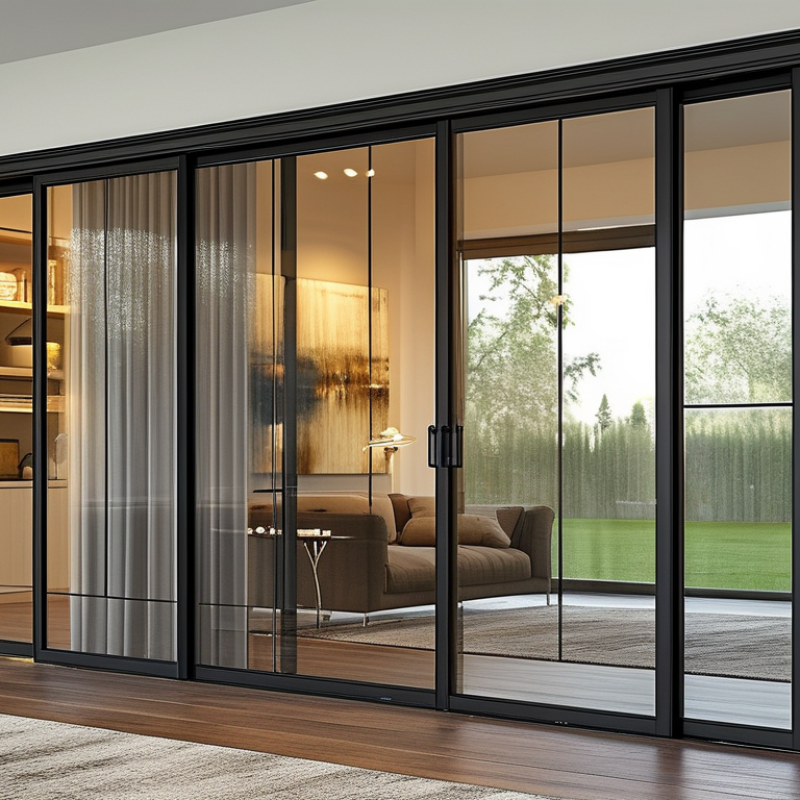
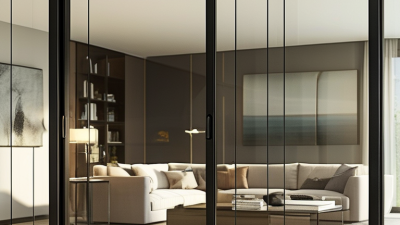
When selecting sliding glass doors, aesthetics matter. These doors can enhance your home's look. Think about the style of your interior. Do you prefer modern or classic designs? The frame color can also influence the overall vibe. Neutral colors often blend well with various themes.

Tip: Consider your room's lighting. Natural light can change how colors appear. Test samples during different times of the day. This helps visualize how the doors will fit into your space.

Moreover, the choice of materials impacts design. Glass thickness provides a sleek look but can also affect insulation. Reflect on how the doors will perform through seasons. Look for options that balance beauty and energy efficiency.

Tip: Try to match door hardware with existing decor. Small details create a cohesive feel. Don't overlook this, as mismatched pieces can disrupt the flow. Think carefully about each element in your selection process.

Installation and Maintenance Tips for Sliding Glass Doors

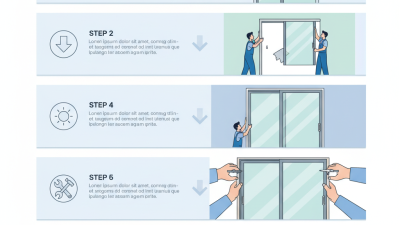
When choosing sliding glass doors for your home, installation and maintenance are crucial. Proper installation ensures a smooth operation and durability. It requires precise measurements. Miscalculations can lead to gaps, causing drafts or leaks. Aligning the tracks is vital. An uneven track can create friction and wear over time.

Regular maintenance extends the life of your sliding glass doors. Clean the tracks frequently to prevent dirt buildup. Dust and debris can hinder movement. A simple vacuum attachment can help. Lubricate the rollers occasionally. This will ensure a seamless glide when opening or closing.

Inspect the seals for wear and tear. Damaged seals can lead to energy loss. If you notice cracks, replace them immediately. Neglecting this can lead to higher bills and discomfort. Stay attentive to your doors, as small issues can turn into larger ones.