Best Concrete Batching Plant Wastewater Treatment Solutions?

Concrete Batching Plant Wastewater Treatment is a critical issue in the construction industry. According to Dr. Emily Carter, a leading expert in environmental engineering, "Effective treatment is essential for sustainable batching plant operations." Many plants face challenges in managing wastewater, leading to potential environmental impacts and regulatory compliance issues.

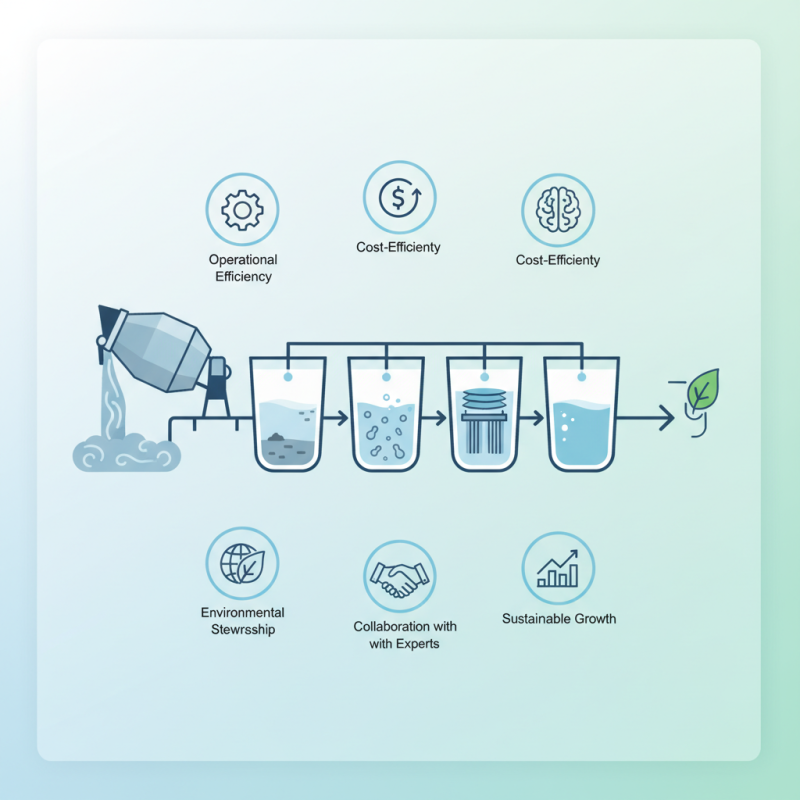
The right wastewater treatment solutions can enhance operational efficiency. However, not all methods are equally effective or cost-efficient. Many plants overlook the importance of integrating advanced treatment technology. This oversight may lead to poor water quality and increased treatment costs. Dr. Carter emphasizes that "Continuous improvement is necessary to stay ahead in wastewater management."

In this evolving landscape, collaboration with experts can drive innovation. The lack of effective strategies may impact profitability and environmental stewardship. Adopting the best Concrete Batching Plant Wastewater Treatment solutions could be the key to sustainable growth. It is crucial to address these issues proactively for a cleaner future.
Best Concrete Batching Plant Wastewater Treatment Solutions?

Overview of Wastewater Challenges in Concrete Batching Plants

Concrete batching plants face significant wastewater challenges. The production process generates large volumes of wash water and runoff, which can be harmful to the environment. According to the Environmental Protection Agency (EPA), concrete production can create up to 100 gallons of wastewater for every cubic yard produced. This wastewater often contains concrete residues and chemicals that can pollute local water sources.

Efficient treatment solutions are essential yet challenging to implement. Many plants still rely on outdated systems that struggle to meet regulatory standards. In fact, a report from the National Ready Mixed Concrete Association indicated that nearly 50% of plants reported issues with wastewater management. This not only affects compliance but can also lead to costly penalties. Some facilities are investing in advanced filtration and recycling systems, but many still grapple with the high initial costs associated with these upgrades.

Innovative solutions must address both ecological and operational needs. Regular monitoring of wastewater discharge can help identify contamination levels. However, some plants may overlook this crucial step. The importance of robust training for staff on wastewater management cannot be understated. By prioritizing proper practices, concrete batching plants can improve their sustainability and reduce their environmental footprint.

Wastewater Treatment Challenges in Concrete Batching Plants

Key Regulations Governing Wastewater Treatment in the Concrete Industry

In the concrete industry, wastewater treatment is crucial. Proper management ensures compliance with local regulations. Key regulations, such as the Clean Water Act in the U.S., impact how plants manage and treat their wastewater. Failure to meet these standards can result in hefty fines or operations being halted.

Understanding these regulations is essential for facility managers. They should conduct regular assessments of their wastewater practices. Monitoring parameters like pH levels and total suspended solids (TSS) is vital. It's not just about meeting legal requirements; it's about protecting the environment.

Tips for effective treatment: invest in proper filtration systems. Implement an ongoing training program for staff. Regular training keeps everyone informed about best practices and updates to regulations. Emphasizing ethics in wastewater management should be a priority. A proactive approach to compliance helps in avoiding potential penalties. Remember, the goal isn't just adherence but also sustainable operations.

Effective Technologies for Wastewater Treatment in Concrete Batching

In the concrete batching industry, water management is critical. Effective wastewater treatment solutions can reduce environmental impact. A study by the American Concrete Institute reveals that batching plants can generate up to 200 gallons of wastewater per cubic yard produced. This highlights the need for efficient treatment technologies.

One promising approach is the use of sedimentation tanks. These systems allow solid particles to settle, thus minimizing suspended solids in the water. It's crucial to monitor sludge accumulation regularly. Without proper management, over time, sedimentation tanks can become less effective, leading to increased pollution risks.

Another effective technology is membrane filtration. This method separates contaminants from water through porous membranes. Research indicates that membrane systems can achieve over 90% solid removal. However, operators should be aware of maintenance challenges. Membranes can clog quickly and may require frequent replacement.

Tip: Regularly inspect and maintain treatment systems to ensure optimal performance. Investing in monitoring technology can help identify issues early. Effective management of wastewater not only benefits compliance but also enhances operational efficiency.

Best Practices for Implementing Wastewater Treatment Solutions

Effective wastewater treatment is essential for concrete batching plants. Implementing the right solutions can significantly reduce environmental impact. Regular maintenance of treatment systems enhances performance. Operators must be trained to identify issues quickly. This minimizes downtime and ensures compliance with regulations.

Choosing sustainable practices is key. Many plants recycle water effectively, but not all meet standards. Continuous monitoring is necessary to adapt processes for better efficiency. Filtration systems must be carefully selected based on site-specific needs. Ignoring the latest technologies means falling behind in efficiency and cost savings.

Communication between teams improves outcomes. Daily routines should include checks on water quality. These practices help in maintaining a clean operation. There’s always room for improvement. Sometimes, outdated methods linger, stalling progress. Embracing innovation is crucial for achieving operational excellence in wastewater treatment.

Case Studies: Successful Wastewater Treatment Solutions in Action

In the concrete industry, effective wastewater treatment is crucial. Many plants have implemented innovative solutions to tackle this challenge. Case studies highlight various methods that not only comply with regulations but also demonstrate sustainable practices. One notable case involved a plant that transformed its approach to recycling water. By investing in a closed-loop system, they significantly reduced water consumption and minimized waste.

Another example features a facility that adopted biological treatment methods. This plant utilized natural processes to treat wastewater, which proved both efficient and cost-effective. However, they faced challenges with system maintenance and microbial balance. These hurdles required continuous monitoring and adjustment, emphasizing the importance of adaptability in wastewater management.

A third case shows the impact of integrating on-site treatment facilities. This method allows plants to process wastewater close to its source, improving efficiency. Yet, the initial investment proved daunting for some companies. Achieving a balance between cost and effectiveness remains a significant challenge. These case studies illustrate not only successful outcomes but also ongoing challenges in wastewater treatment solutions in the concrete sector.