How to Choose the Best Sliding Back Door for Your Home?
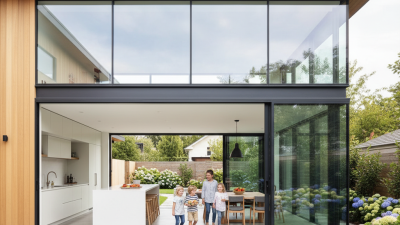
Choosing the right sliding back door for your home can seem overwhelming. With numerous options available, it's essential to consider various factors. A sliding back door not only serves a functional purpose but also enhances your home's aesthetic appeal. Ensuring that it complements your existing decor is vital.
Quality matters when selecting a sliding back door. Materials like vinyl, wood, or aluminum each hold unique advantages. For instance, vinyl is low-maintenance, while wood brings warmth to your space. Assess your climate and lifestyle requirements to make an informed choice. Consulting professionals can provide insights into durability and energy efficiency, both key in door selection.
Reflect on practical aspects such as security and ease of use. A sliding back door should provide safety features while being simple to operate. An overlooked detail could impact your decision. Take the time to weigh options and ensure the sliding back door meets your needs.
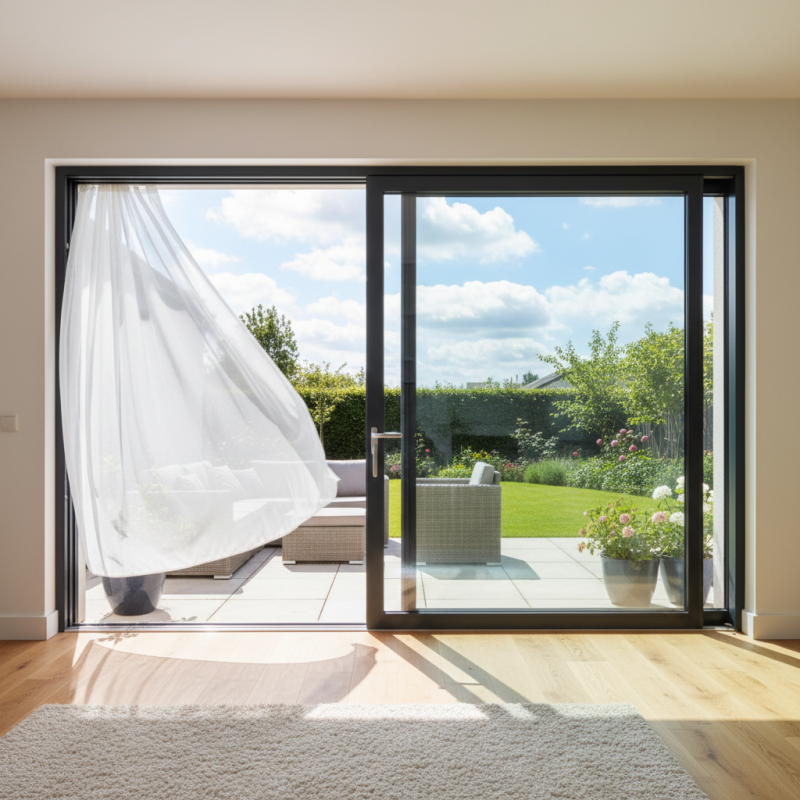
Factors to Consider When Choosing a Sliding Back Door
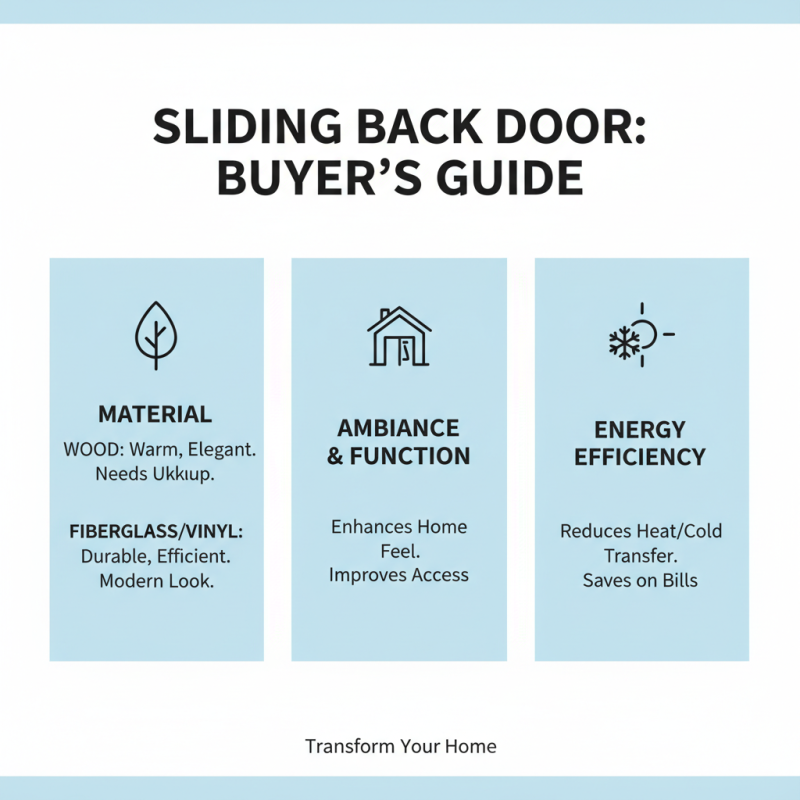
Choosing a sliding back door can transform your home’s ambiance and functionality. One critical factor to consider is material. Common materials include wood, fiberglass, and vinyl. Wood offers warmth and elegance but requires more maintenance. Fiberglass and vinyl are durable and energy-efficient but may lack the traditional aesthetic.
Another essential aspect is energy efficiency. Look for doors with Low-E glass, which helps regulate indoor temperatures. This feature can significantly reduce energy costs and enhance comfort. Security should not be overlooked either. Consider options with multi-point locking systems for added safety.
Accessibility matters, especially if you have a busy lifestyle or children. Ensure the door operates smoothly and fits your space. In some cases, installation may pose challenges. Always assess if you need professional help to avoid potential issues. These considerations will guide you in selecting the perfect sliding back door for your home.
Types of Sliding Back Doors: Styles and Materials Explained
When selecting a sliding back door, consider the different styles and materials available. Popular styles include traditional, contemporary, and modern designs. Each style offers unique aesthetics and functionality. Traditional sliding doors may feature wood frames and divided lights. They complement classic home designs beautifully. Contemporary styles lean towards sleek, minimalist looks, often with large glass panels. This allows for more natural light.
Materials also play a crucial role in your choice. Vinyl is low-maintenance and energy-efficient. It's a great option for budget-conscious homeowners. Aluminum provides durability and a modern look, though it may require more upkeep. Wood offers warmth but can be the most maintenance-intensive option. It’s essential to weigh your lifestyle against the pros and cons of each material. Some homeowners overlook these details, only to find themselves unhappy after installation.
Additionally, consider the door’s functionality. Ease of operation is crucial. Some doors glide smoothly, while others may stick or require excessive force. Testing the action in a showroom can help avoid future frustrations. Frame color and finish can impact the overall design too. It’s easy to lose sight of these factors in the excitement of choosing. Taking time to reflect on features will ensure a better fit for your home.
Types of Sliding Back Doors: Styles and Materials
Measuring Your Space for the Perfect Fit of Sliding Doors
Measuring your space accurately is crucial for selecting the right sliding back door. Start by assessing the width and height of your opening. Use a tape measure for precision. Subtract half an inch from both the width and height to accommodate the frame. This small adjustment ensures a snug fit, preventing future problems.
Next, consider the floor space. Sliding doors require a track system. There should be enough room for the door to glide smoothly. Check for any obstacles like furniture or plants that could interfere. It is wise to visualize the door fully opened. Imagine how it will look and function. Sometimes, what seems perfect in theory may not work in practice.
Lastly, pay attention to the surrounding area. Natural light and ventilation are vital. A door that’s too large can overwhelm smaller spaces. Conversely, a small door can look out of place in a spacious room. Reflect on these factors. Take your time measuring; it’s better to be meticulous. A few extra minutes can lead to a better decision for your home.
How to Choose the Best Sliding Back Door for Your Home? - Measuring Your Space for the Perfect Fit of Sliding Doors
| Dimension | Measurement (inches) | Recommended Material | Energy Efficiency Rating |
|---|---|---|---|
| Width | 72 | Vinyl | R-Value 3.5 |
| Height | 80 | Fiberglass | R-Value 4.0 |
| Opening Size | 70 x 79 | Aluminum | R-Value 2.5 |
| Track Width | 4 | Wood | R-Value 3.0 |
Energy Efficiency Features to Look for in Sliding Back Doors
When choosing a sliding back door, energy efficiency is a critical factor. According to the U.S. Department of Energy, about 30% of heating energy is lost through windows and doors. Selecting a door with high insulation ratings can minimize this loss. Look for doors that are ENERGY STAR® certified. These products often feature double or triple-pane glass, which significantly reduces heat transfer.
Low-emissivity (Low-E) coatings are another essential feature. These coatings reflect heat back into your home during winter and keep it out during summer. In fact, homes with Low-E glass average energy savings of 15% annually. Consider the frame material as well; vinyl frames provide better insulation compared to aluminum frames. This can further enhance your door's energy efficiency.
Consider how the door will be used in your daily life. A beautifully designed door may not function well in harsh weather. Check if the seals are tight and durable. Poor seals can undermine energy savings and lead to drafts. While aesthetics matter, performance and reliability should not take a backseat. Remember, a compelling door should balance form and function effectively.
Installation Options: DIY vs. Professional Help for Sliding Doors
When choosing a sliding back door, installation options can significantly impact your decision. Homeowners often face the dilemma of DIY installation versus hiring professionals. According to the National Association of Home Builders, nearly 64% of homeowners opt for professional installation due to the complexities involved. Sliding doors require precise measurements and alignment to function correctly. A minor error can lead to gaps or difficulty in sliding.
DIY enthusiasts may consider installation as a cost-saving tactic. However, the American Institute of Architects reported that improper installation can reduce energy efficiency by up to 30%. Many individuals underestimate the details involved, like ensuring a proper track system and weather sealing. Minor mistakes might lead to greater long-term expenses. Another aspect to consider is the warranty; professional installation often provides better coverage.
Choosing between DIY and hiring experts boils down to personal experience and comfort levels. While DIY can be rewarding, it requires substantial time and skill. For those less adept or pressed for time, professionals ensure a reliable installation. Reflecting on these aspects is crucial to making an informed choice that meets your home’s needs and your lifestyle.
Related Posts
-
Why Choose a Sliding Back Door for Your Home?
-
2025 Top Sliding Back Door Trends and Innovations to Enhance Your Home
-
10 Essential Tips for Sliding Door Replacement You Need to Know?
-
Top 10 Benefits of Installing a Sliding Back Door for Your Home
-
Maximizing Energy Efficiency: How Aluminium Sliding Doors Can Cut Your Utility Bills by 30%
-
The Ultimate Guide to Choosing the Perfect Sliding Back Door for Your Home