Why Choose Wpc Blue for Your Next Outdoor Project?
Are you looking to enhance your outdoor space? Wpc Blue offers innovative solutions for your next project. Experts in the industry, like Sarah Thompson, emphasize the importance of quality materials. She states, “Wpc Blue transforms outdoor spaces with durable elegance.”
Choosing Wpc Blue means you prioritize longevity and aesthetics. This brand focuses on sustainable materials that withstand the test of time. Their products resist fading, splintering, and decay, ensuring your investment lasts. Outdoor projects shouldn't just look good; they should also stand strong against weather elements.
Yet, not every project benefits equally from Wpc Blue. Some may question compatibility with their specific designs. It's essential to consider your unique requirements before fully committing. However, for those who carefully assess their options, Wpc Blue can indeed elevate outdoor experiences.
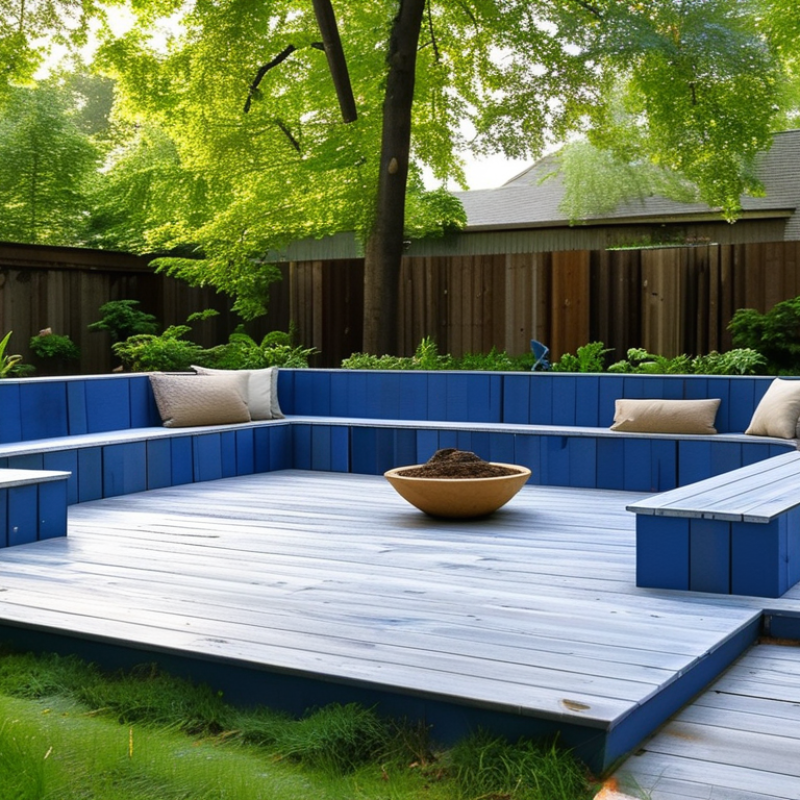
Benefits of Using WPC Blue for Outdoor Projects
WPC Blue stands out in the realm of outdoor construction materials. Its composition combines wood fibers and recycled plastics. This fusion results in durability, making it ideal for harsh weather conditions. A recent industry report states that WPC products can last up to 25 years with minimal maintenance.
An important attribute of WPC Blue is its resistance to moisture and insects. Traditional wood often succumbs to rot, while WPC does not. According to research, WPC can reduce maintenance costs by up to 30%. This is significant for homeowners and contractors who seek long-lasting solutions.
Moreover, WPC Blue promotes sustainability. Using recycled materials reduces waste and reliance on timber. However, it’s crucial to balance costs with benefits. Some users report challenges with color fading over time. This indicates the need for regular upkeep. While WPC offers excellent advantages, understanding its limitations is essential for a successful outdoor project.

Durability and Weather Resistance of WPC Blue
When considering outdoor projects, choosing the right materials is crucial. WPC Blue stands out due to its impressive durability. This material is made from a blend of wood fibers and plastic, which provides strength that traditional wood cannot match. It resists warping, cracking, and splitting, making it an ideal choice for any outdoor environment.
Weather resistance is another key feature of WPC Blue. It withstands harsh weather conditions, from scorching sun to heavy rains. Unlike regular wood, WPC Blue does not absorb moisture. This reduces the risk of mold and mildew growth, ensuring a longer lifespan. Some users may wonder if the surface can be slippery when wet. However, its design features help to provide adequate grip, even in rainy conditions.
As with any material, there are considerations to keep in mind. Installation requires careful planning and proper tools for the best results. Sometimes, the initial cost can be higher than traditional wood. Yet, the long-term savings on maintenance and replacement can make WPC Blue a smart investment. Reflecting on these factors can lead to more informed decisions for your next outdoor project.
Why Choose WPC Blue for Your Next Outdoor Project? - Durability and Weather Resistance of WPC Blue
| Attribute | WPC Blue | Traditional Materials |
|---|---|---|
| Durability | High (25+ years) | Medium (10-15 years) |
| Weather Resistance | Excellent (resistant to moisture and UV) | Good (limited resistance) |
| Maintenance | Low (occasional cleaning) | High (regular upkeep required) |
| Environmental Impact | Eco-friendly (recycled content) | Eco-unfriendly (deforestation concerns) |
| Aesthetic Options | Wide range of colors and finishes | Limited to natural wood tones |
Eco-Friendly Aspects of WPC Blue Materials
WPC Blue materials stand out for their eco-friendly qualities, making them an excellent choice for outdoor projects. Made from recycled wood and plastic, these materials contribute to waste reduction. This innovative blend ensures durability while promoting sustainability. It captures the essence of nature while minimizing the carbon footprint.
Choosing WPC Blue means opting for long-lasting solutions that resist harsh weather. Unlike traditional options, they don't require toxic treatments. This protects both your family and the surrounding environment. Some may wonder about the longevity, but extensive testing shows great performance over time.
Despite great advantages, there can be challenges. Initial costs might be higher compared to conventional materials. However, considering their lifespan, they often prove more economical. It is important to weigh these aspects carefully. Everyone should feel confident about their investment in sustainable future choices.
Design Versatility and Aesthetic Options with WPC Blue
When considering outdoor projects, design versatility is paramount. WPC Blue offers a range of aesthetic options that can transform any space. According to a recent industry report, over 70% of homeowners prioritize design when selecting materials. The right choice can enhance curb appeal significantly. WPC Blue provides numerous colors and textures, allowing for personalized designs that meet diverse tastes.
Additionally, WPC products are engineered for longevity and low maintenance. A study noted that composite materials, like WPC, have shown a 25% increase in durability compared to traditional wood. However, color fade and wear can occur over time. Regular maintenance is essential to keep surfaces looking fresh and vibrant. Homeowners should consider this aspect to maintain design integrity.
Another point of consideration is environmental impact. WPC Blue utilizes recycled materials, appealing to eco-conscious consumers. This aligns with industry trends, as reports reveal that 68% of buyers prefer sustainable products. Selecting WPC can reflect personal values while achieving a beautiful outdoor environment. Balancing aesthetics and practicality will lead to a satisfying project outcome.
Cost-Effectiveness of Choosing WPC Blue for Landscaping
When considering landscaping materials, WPC (Wood Plastic Composite) offers notable cost-effectiveness. Its durability is a significant advantage. WPC is resistant to rot, which means fewer replacements over time. This lowers overall maintenance costs, making it a smart option for budget-conscious homeowners.
There are several factors to contemplate when choosing WPC. Evaluate your local climate and how it may affect the material's longevity. Consider the project's specific needs. Adequate planning can prevent overspending later. Factor in not just initial costs but also long-term benefits.
Investing in WPC might seem straightforward. However, be mindful of installation complexities. Improper installation can lead to costly repairs. Consulting professionals can help ensure your project runs smoothly. Remember, the right guidance can save you both time and money over the lifespan of your outdoor space.

