How to Choose the Best Silicone Sealant for Your Projects?

Choosing the right silicone sealant is crucial for any project. With various options available, understanding their differences can be overwhelming. Silicone sealants are versatile. They offer excellent adhesion and flexibility. This makes them suitable for diverse materials like glass, metal, and plastic.

It's important to consider the specific requirements of your task. Not all silicone sealants are created equal. Some are best for outdoor conditions, while others excel indoors. Pay attention to curing time, temperature resistance, and water exposure. These factors can significantly impact your project’s success.

Remember that using an inappropriate silicone sealant can lead to failures. A sealant that does not adhere properly may cause leaks or damage over time. Research and select the best silicone sealant for your unique needs. Taking the time to choose wisely can save you from future headaches.
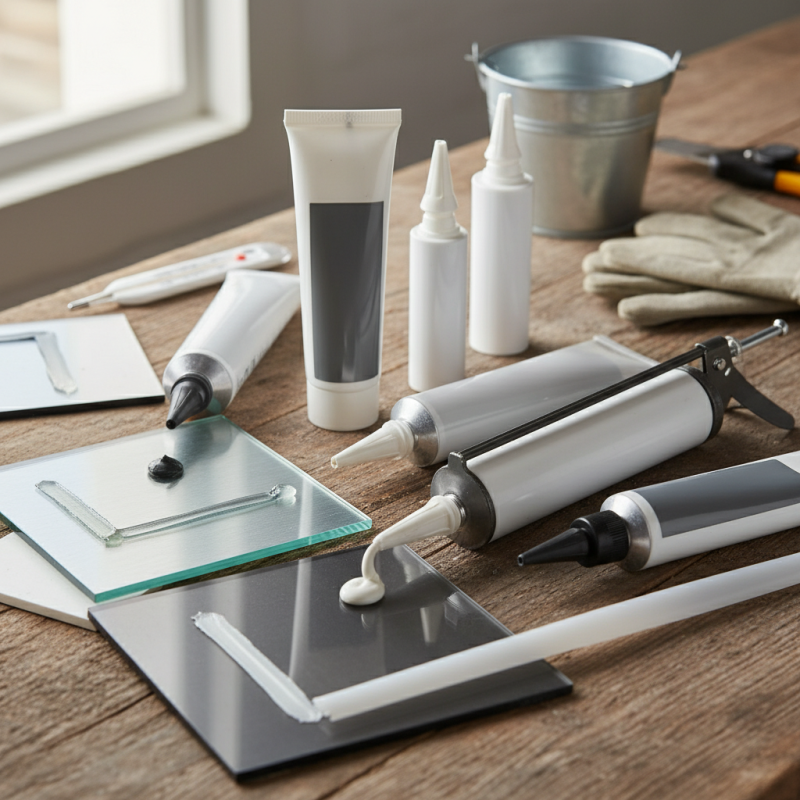
How to Choose the Best Silicone Sealant for Your Projects?

Understanding the Different Types of Silicone Sealants Available

When selecting silicone sealants, understanding the types available is crucial. There are mainly three categories: acetic, neutral, and specialty silicone. Acetic silicone is known for its strong adhesion and fast curing time. However, it’s not suitable for certain materials, like metals, due to potential corrosion. According to industry data, acetic silicone accounts for about 40% of the market.

Neutral silicone offers flexibility and durability. It's ideal for applications on a variety of surfaces, including glass and plastics. In fact, research shows that neutral silicone has a higher temperature tolerance, which can be a game-changer in extreme conditions. Specialty silicones are tailored for unique applications, such as food-grade or high-temperature sealants. These take up around 15% of the market yet serve critical roles in specific projects.

Choosing the right sealant is often a process of trial and error. Not every silicone will meet the demands of a project. Inadequate bonding or premature aging can lead to failures. A study highlighted that nearly 30% of sealant applications fail due to improper selection. Hence, careful consideration and understanding of each type can greatly reduce errors and enhance project outcomes.

Comparison of Different Types of Silicone Sealants

Key Factors to Consider When Choosing a Silicone Sealant

When selecting a silicone sealant, an array of factors comes into play. First, consider the specific application—bathrooms, kitchens, or outdoor use may require different types. Each application might necessitate specific properties, like mold resistance or extreme temperature tolerance. Choosing a sealant meant for high humidity will ensure longevity and effectiveness in wet areas.


The curing time is another vital factor. Some sealants cure quickly, while others take longer, impacting your project timeline. The viscosity is also crucial—ranging from low to high thickness can determine how well the sealant fills gaps. Pay close attention to manufacturer's instructions for best results.


Another aspect to reflect on is how the sealant interacts with different surfaces. Not all formulations adhere well to materials like glass or metal. Occasionally, a sealant might not perform as expected, leaving gaps or failing to bond. Testing on small areas before full application can help avoid costly mistakes. Each project presents unique challenges; understanding these nuances can make all the difference.

Assessing the Environmental Conditions for Sealant Performance

When choosing a silicone sealant, evaluating environmental factors is crucial. Outdoor projects face various conditions. Temperature fluctuations can weaken sealant bonds. High humidity can also affect curing times. Understanding these elements ensures better long-term performance.

Consider exposure to sunlight. UV rays can degrade some products. A sealant that resists UV will last longer on outdoor surfaces. Additionally, extreme temperatures may require specialized options. Cold climates can make some sealants brittle, while heat can cause others to become too soft.

Rain and moisture are additional threats. Water can interfere with the adhesion process. It’s essential to apply sealants under suitable conditions. Always read the product instructions for temperature and humidity guidelines. A faulty application can lead to leaks and increased costs later. Reflecting on these challenges can lead to better decisions.

How to Choose the Best Silicone Sealant for Your Projects? - Assessing the Environmental Conditions for Sealant Performance

Feature Description Best Use Cases Temperature Resistance
100% Silicone Highly flexible and durable, resistant to moisture and weather. Bathrooms, kitchens, and outdoor applications. -75°F to 350°F
Acetic Cure Releases acetic acid when curing; strong adhesion but can corrode metals. Glass, ceramic, and non-porous materials. -60°F to 200°F
Neutral Cure Releases no corrosive byproducts; less odor than acetic cure. Windows, metals, and sensitive materials. -60°F to 400°F
High-Temperature Silicone Designed to withstand extreme heat; flexible and durable. Automotive, industrial, and high-heat applications. -100°F to 600°F

Application Techniques for Optimal Silicone Sealant Results

When applying silicone sealant, proper techniques can make a significant difference in effectiveness. Surface preparation is critical. Clean the area thoroughly to prevent contamination. Dust, grease, or moisture can hinder adhesion. According to a report by the Adhesive and Sealant Council, poor surface quality is responsible for up to 30% of sealant failures.

Use the right application tools for a smooth finish. A caulking gun is essential for even pressure. For intricate areas, consider a nozzle with a smaller opening. Industry data suggest that precision in application leads to a 25% increase in the sealant's longevity. After application, tooling the sealant can help shape it while ensuring good contact with the surface. Tooling should ideally be done within five minutes of application to achieve optimal results.

Be mindful of curing conditions as well. Temperature and humidity can drastically impact curing time. Silicone sealants typically require 24 hours to cure fully, but this can change with environmental factors. Additionally, testing the adhesion on a small area first can help gauge performance. Even experienced users occasionally encounter unexpected issues, highlighting the importance of consistent quality checks throughout the process.

Achieving perfection with silicone sealants often involves trial and error, but with attention to detail, successful outcomes are achievable.

Maintenance and Longevity of Silicone Sealant in Various Projects

Silicone sealants are vital for ensuring longevity in various projects. Their durability is essential in construction and DIY tasks. Research indicates that high-quality silicone can last up to 25 years if applied correctly. This longevity is influenced by factors like environmental exposure, surface preparation, and application techniques.

Maintenance plays a critical role in maximizing the lifespan of silicone sealants. Regular inspections can identify early signs of wear, such as discoloration or cracks. Addressing these issues promptly can prevent more significant problems. Additionally, factors like humidity and temperature fluctuations can significantly affect the sealant's performance. For instance, extreme climates can lead to early degradation, making it essential to choose the right type for specific environments.

Poor application can undermine even the best materials. Inconsistent bead width or inadequate curing time can lead to failures. According to industry standards, a consistent application technique reflects good practice. Therefore, investing time in applying silicone sealant properly can significantly enhance the overall project outcome. This approach ensures that the project remains structurally sound while also visually appealing.

Article Source: