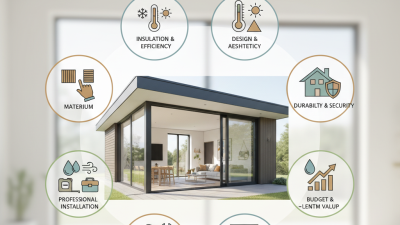
How to Choose Custom Sliding Glass Doors for Your Home
When choosing custom sliding glass doors for your home, the decision can feel overwhelming. An expert in the industry, John Smith, once stated, "Custom sliding glass doors can transform your space, both in style and function." This highlights the importance of making an informed choice.
These doors not only enhance aesthetics but also improve accessibility. You can consider various materials and designs available in the market. However, remember that an expensive door does not always mean better quality. It's essential to weigh your options and think about durability.
Additionally, pay attention to energy efficiency. Selecting poorly designed doors can lead to higher energy bills. Focus on your actual needs versus what looks trendy. Reflecting on these aspects may help you avoid costly mistakes. Embrace the process; custom sliding glass doors are a long-term investment for comfort and beauty in your home.
Factors to Consider When Choosing Custom Sliding Glass Doors
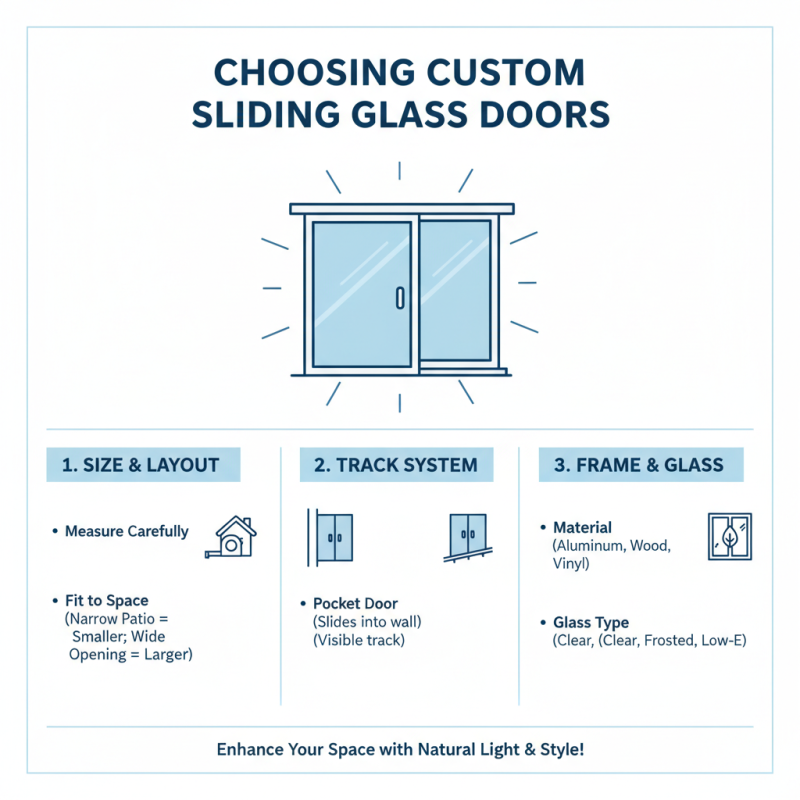
Choosing custom sliding glass doors involves several important factors. First, consider the size and layout of the space. Measure the area carefully. Ensure the doors fit without overwhelming the room. A narrow patio might suit smaller doors. A wider opening can accommodate larger, more dramatic designs. Don't forget about the track system—do you want a pocket door or a standard sliding mechanism?
Next, think about the materials. Options include framed, frameless, and glass types. Different materials offer various aesthetics and insulating properties. Choose energy-efficient glass to enhance your home’s comfort. Look at the finishes, too. A natural wood grain may complement a rustic home, while sleek metal suits modern designs.
Security is another crucial aspect. While sliding doors are attractive, they can also present vulnerabilities. Consider additional locks and reinforced frames. Reflect on the cost, as custom doors vary widely in price. Sometimes, a more expensive choice can offer better quality or durability. It's a balance between style and practicality. Ultimately, the goal is to enhance the beauty and functionality of your home while ensuring security and comfort.
Types of Materials for Sliding Glass Doors: Pros and Cons
When choosing custom sliding glass doors, the material plays a crucial role in both functionality and aesthetics. Common materials include wood, aluminum, and vinyl. Wood offers natural beauty and warmth. However, it requires regular maintenance to prevent warping and rotting. On the other hand, aluminum doors are durable and weather-resistant. Yet, they can be less energy-efficient and may feel colder.
Vinyl is another popular choice. It’s low-maintenance and affordable. However, it may not provide the same upscale look as wood or aluminum. Homeowners should also consider the impact of their choice on the environment. Some materials are more eco-friendly than others. Reflecting on this can lead to better decisions.
Ultimately, it’s essential to weigh these pros and cons. Many factors affect the decision, such as climate and architectural style. Many homeowners feel overwhelmed by these options. Making a list of priorities can help streamline the selection process. Balancing aesthetics with durability is key. There’s no perfect choice, but careful consideration can lead to a satisfying outcome.
How to Choose Custom Sliding Glass Doors for Your Home - Types of Materials for Sliding Glass Doors: Pros and Cons
| Material | Pros | Cons |
|---|---|---|
| Aluminum | Durable, lightweight, and low maintenance | Poor insulation, can be prone to condensation |
| Vinyl | Excellent insulation, energy-efficient, and low maintenance | Can be less durable than aluminum, limited color options |
| Wood | Aesthetic appeal, good insulation, and customizable | High maintenance, susceptible to rot and warping |
| Fiberglass | High energy efficiency, resistance to warping and cracking | Higher cost, limited styles and colors |
| Composite | Strong, durable, and resistant to moisture | Can be expensive, may not have the same appearance as real wood |
Design Options: Enhancing Aesthetics with Customization
When considering custom sliding glass doors, aesthetic enhancement through design options is vital. These doors can significantly elevate your home’s overall look. Think about frame materials, colors, and finishes. A sleek aluminum frame might suit modern homes, while wood can add warmth to traditional spaces. You can even mix materials for a unique touch.
**Tips:** Choose a color that complements your current decor. Neutral tones like white and gray are versatile. But don’t hesitate to go bold; a striking blue could be a conversation starter.
Glass choices matter too. Opt for frosted or textured glass for privacy, or clear glass for an unobstructed view. This decision can impact lighting and mood in your space. However, be aware that too much glass can make a room feel cold.
**Tips:** Test samples in various lighting conditions. Light can change how colors appear, so this step is necessary.
Remember, customization is about your style. Reflecting on what enhances your home is essential. Find a balance between function and beauty. Explore options, but don’t rush the process. Each decision contributes to your living environment.
Energy Efficiency Features: Making the Right Choice
When choosing custom sliding glass doors, energy efficiency is a crucial factor. These doors can significantly impact your home's heating and cooling. Look for doors with low-emissivity (Low-E) glazing. This type of glass reflects heat back into your home during winter, keeping it warm. In summer, it can't let the heat in. Such features can reduce your energy bills.
Additionally, consider the seals around the doors. High-quality seals can prevent drafts. This is vital in maintaining a consistent indoor temperature. Double or triple-pane glass also offers better insulation than single-pane. However, not all double-pane doors are created equal. Some may still have poor sealing.
Another important feature is the frame material. Vinyl frames are often more energy-efficient than wood or aluminum. They don’t require maintenance and resist moisture well. However, they might not always fit with your home's aesthetic. Choosing a balance between efficiency and style can be tricky. Make sure to evaluate all options carefully. Each choice impacts both comfort and expenses over time.
Energy Efficiency Features of Custom Sliding Glass Doors
Installation and Maintenance Considerations for Sliding Glass Doors
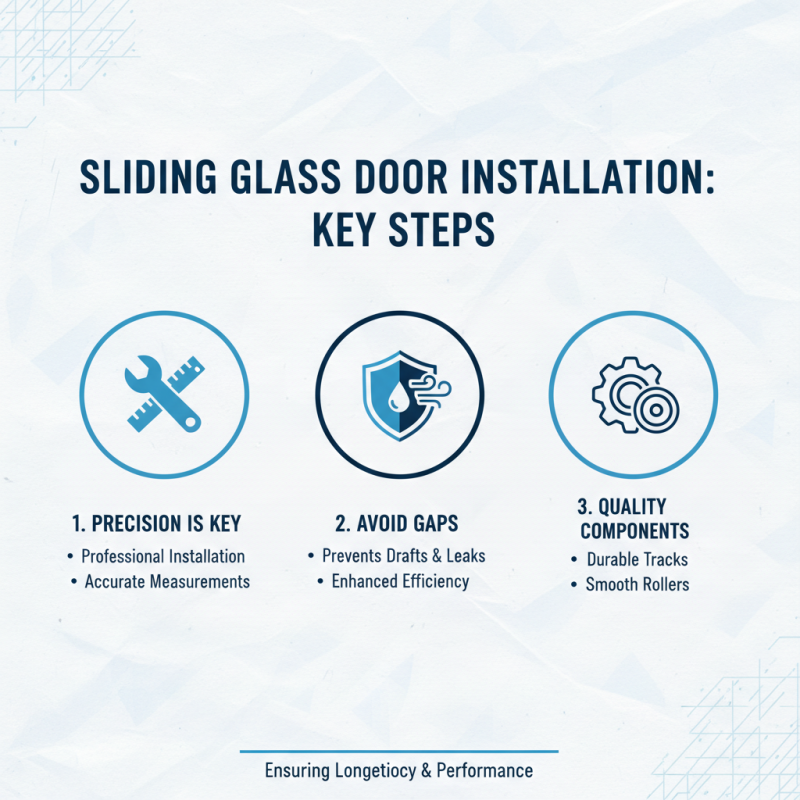
When considering sliding glass doors, installation is crucial. Proper fitting ensures smooth operation. A professional installer can help. Incorrect measurements can lead to gaps. These gaps may cause drafts or leaks. It's vital to double-check dimensions. Opt for quality tracks and rollers. They should be sturdy enough to handle frequent use.
Maintenance often gets overlooked. Regular cleaning of the tracks is essential. Dirt can obstruct the door's movement. Simple cleaning can prevent bigger issues. Inspect seals for wear and tear. Replacing damaged seals enhances insulation. Lubricate the rollers occasionally to keep them functioning well. It’s an easy step that many forget.
Think about weather resistance too. Choose doors that suit your climate. In areas with heavy rain, specific designs might be necessary. Reflect on how often you open and close them. Frequent use can wear parts down. Don’t ignore any strange sounds. They often signal underlying problems. Early detection can save you time and money.
Related Posts
-
10 Essential Tips for Choosing Custom Sliding Glass Doors for Your Home
-
Essential Guide to Sliding Glass Door Replacement: Enhancing Your Home's Aesthetics and Security
-
The Ultimate Guide to Choosing the Right Sliding Glass Door Replacement for Your Home
-
Transform Your Home’s Aesthetics: The Benefits of Installing Exterior Sliding Glass Doors for Natural Light and Energy Efficiency
-
How to Replace a Sliding Glass Door: Step-by-Step Guide for Homeowners
-
Top 10 Benefits of Aluminium Sliding Doors for Your Home Upgrade