How to Choose Deslano Sunrooms for Your Home?

When considering home enhancements, Deslano sunrooms emerge as a popular choice. They provide an opportunity to extend living space while merging nature with indoor comfort. However, making the right choice involves more complexity than one might expect.

The design, materials, and layout of a Deslano sunroom greatly impact its functionality and aesthetic appeal. Homeowners often grapple with determining the best style that complements their existing architecture. It’s crucial to think about how much sunlight you want and how the room will be used. Will it serve as a cozy reading nook or a family gathering area?

Moreover, selecting the perfect Deslano sunroom requires careful consideration of quality and durability. Not all sunrooms are created equal. Some may appear attractive but lack the reliability needed for different weather conditions. Investing time in research and consultation can help avoid future regrets and expensive repairs. Always remember: a well-chosen sunroom can enhance your home’s value and comfort for years to come.
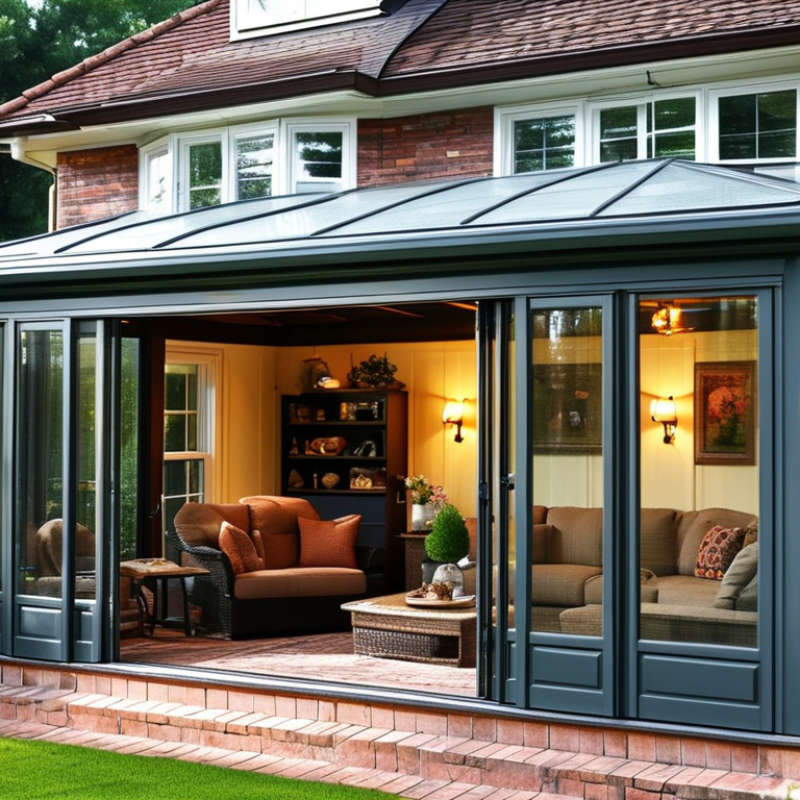
How to Choose Deslano Sunrooms for Your Home?

Understanding Deslano Sunrooms: Key Features and Options

Deslano sunrooms offer a unique way to enhance your home. They blend indoor comfort with natural outdoor beauty. These spaces can be customized to fit your lifestyle and aesthetic preferences. Light-filled, they serve as great spots for relaxation, reading, or entertaining guests.

Key features of Deslano sunrooms include energy-efficient glass, which helps regulate temperature. This ensures comfort year-round. Additionally, they come in various configurations. You can opt for styles that suit your home’s architecture. Think about how the sunroom connects with your existing space. Does it flow seamlessly, or does it feel tacked on? It’s important to get this right.

Customization is essential, but it can also be challenging. You have many options, from flooring to roofing. Consider materials that are durable yet appealing. Sometimes, simpler choices lead to more harmonious designs. Reflect on your personal taste and how it aligns with practicality. This balance will help you create a lasting space.

Assessing Your Space: Measuring and Designing for a Sunroom

When designing a sunroom, the first step is to assess your available space. Begin by measuring the area where you want the sunroom to be built. Take into account the existing architecture and understand how the addition will fit with your home’s layout. Accurate measurements will help you avoid costly mistakes later on. Consider not just the height and width, but also the depth. This will affect how much natural light enters and how the room feels.

Once you have your measurements, think about the sunroom's design. Visualize how the sunroom will function. Will it be a cozy reading nook or a vibrant entertainment space? Reflect on how sunlight will affect the atmosphere throughout the day. Pay attention to the surrounding environment. Are there trees that might cause shading? Is the view worth showcasing? Gathering this information can help you make informed design choices. Imperfections in space, like an awkward corner, can sometimes lead to creative solutions. Instead of shying away from them, embrace these quirks as opportunities for unique design elements.

How to Choose Deslano Sunrooms for Your Home? - Assessing Your Space: Measuring and Designing for a Sunroom

Dimension Measurement (in feet) Recommended Usage
Width 12 - 16 Single or double occupancy
Length 15 - 24 Lounge area, dining
Height 8 - 12 Airy feel, lighting
Floor Area 150 - 300 Flexible multipurpose space
Window Size Standard Natural light and view
Door Type Sliding or French Access and aesthetics

Choosing the Right Materials: Glass, Frames, and Insulation

When selecting materials for your Deslano sunroom, glass choices play a crucial role. Tempered glass is often favored for its durability and safety. It resists shattering, offering peace of mind, especially in storm-prone areas. Low-E glass, on the other hand, enhances energy efficiency. It reflects heat during summer and retains warmth in winter. Yet, these options can have varying costs that impact your budget.

Frame materials also deserve careful consideration. Aluminum frames provide a sleek, modern appearance while being lightweight. However, they may not insulate as well as wood or vinyl options. Wooden frames offer natural beauty and good insulation. Yet, they require regular maintenance to prevent rotting. Each choice has its pros and cons.

Insulation is key for temperature control. Double-pane glass is a common choice, providing better thermal performance than single-pane. Ensure that the frames are properly sealed as air leaks can lead to energy loss. It’s important to check for build quality. Inefficiencies may arise if corners are not sealed effectively. These details can make a notable difference in your sunroom's comfort and energy use.

Exploring Styles: Traditional vs. Modern Deslano Sunrooms

When choosing between traditional and modern Deslano sunrooms for your home, consider the distinct characteristics of each style. Traditional sunrooms often feature classic architectural elements. They may include wood framing and decorative moldings. This style appeals to homeowners seeking a timeless look. Statistics show that traditional designs can increase property value by up to 15%, making them a wise investment.

On the other hand, modern sunrooms emphasize minimalist aesthetics. These spaces often use large glass panels and sleek lines. They create a sense of openness and invite natural light. A study by the National Association of Home Builders indicates that modern designs are gaining popularity, with over 40% of homeowners preferring contemporary styles.

Tip: Think about how you plan to use the space. A traditional sunroom may be perfect for cozy family gatherings. A modern sunroom can serve as a bright office or lounge area.

Another consideration is the climate in your region. Traditional sunrooms may require more maintenance due to wood elements. Conversely, modern materials can enhance durability and energy efficiency. Reflect on how these factors align with your lifestyle.

Tip: Visit local showrooms to experience both styles. Seeing them in person can clarify your preferences and needs.

Budgeting for Your Sunroom: Costs and Financing Options

When considering a sunroom, budgeting is key. The average cost for a sunroom installation ranges from $15,000 to $50,000. Factors such as size, materials, and location influence expenses. A report by the National Association of Home Builders states that quality installations often yield a return on investment of about 50%. Yet, many homeowners overlook hidden costs like permits and design fees, which can add substantially to the budget.

Financing options vary significantly. Home equity loans or lines of credit are popular due to lower interest rates. According to a LendingTree study, around 26% of homeowners use savings to fund their home renovations. However, it’s essential to weigh interest rates and repayment terms. Some consumers may find themselves stretched thin financially, especially if unplanned repairs arise during construction. Efficient budgeting can ease this strain.

Homeowners must consider their long-term goals. Do they wish to increase property value or create a family space? A clear vision can guide spending. Not all sunrooms are suitable for every budget. Some may favor a more modest, functional structure, while others might dream big. Reflection on personal needs and financial health can lead to the best choices in sunroom investments.