How to Choose the Best Air Valve for Your Needs?

When selecting the ideal Air Valve for your systems, understanding your needs is crucial. David Johnson, a renowned expert in the air valve industry, states, "Choosing the right air valve can drastically improve system performance." This emphasizes the importance of matching the valve type with your application.

Air valves are vital in various industries. They regulate airflow and maintain pressure, making them essential for efficiency. They come in numerous styles and sizes, and choosing the wrong one could lead to significant issues. Leakage, inefficient operation, and safety risks can arise from a hasty decision.

Thinking through every factor is essential. Consider the pressure ratings, material compatibility, and environmental conditions. Each detail matters in ensuring optimal function. Reflecting on these aspects can seem tedious but is necessary for reliable operations. Choosing the best air valve requires thoughtful consideration and the right information.
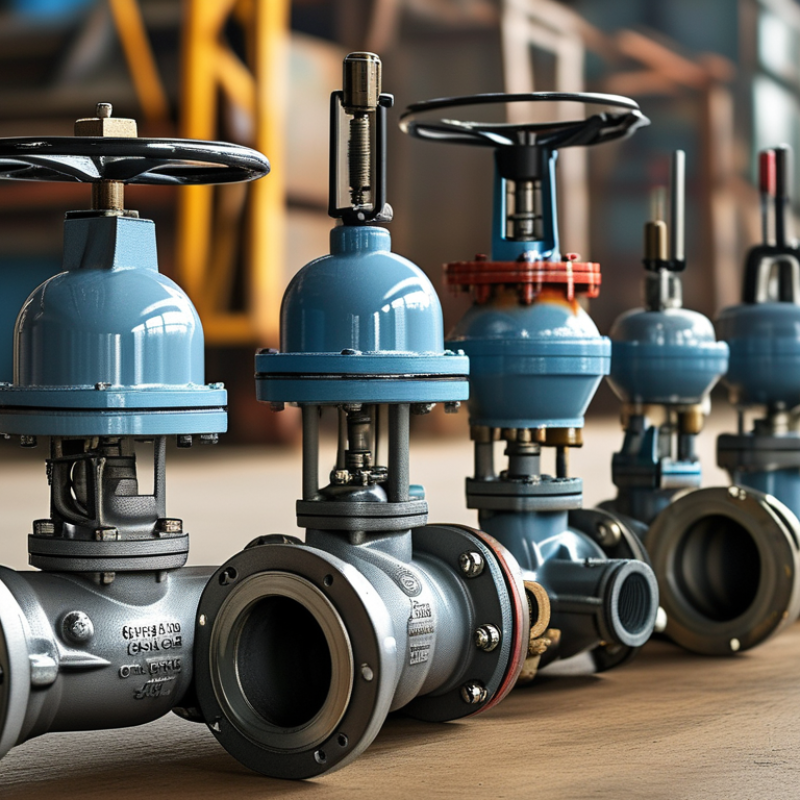
How to Choose the Best Air Valve for Your Needs?

Understanding the Different Types of Air Valves Available

When selecting an air valve, it's crucial to understand the different types available. Air valves can be categorized into several designs: rotary, solenoid, and pneumatic. Each type has unique features suited for specific applications. For instance, rotary valves offer efficient flow control, while solenoid valves provide quick response times, making them ideal for automated systems.

Industry reports indicate that approximately 75% of air system failures stem from valve issues. This highlights the importance of choosing the right valve for your application. Pneumatic valves, which utilize compressed air, are essential in manufacturing processes. Their durability and reliability are critical, especially in environments that require frequent cycling. Different materials such as plastic or metal can affect performance and longevity.

It’s also vital to consider valve size and pressure ratings. A mismatched size can lead to flow restrictions or pressure drops, impacting overall system efficiency. Research suggests that choosing the proper valve type can increase system efficiency by up to 20%. This is significant when evaluating energy costs and operational efficiency. Thus, thorough research and understanding of your specific needs are essential in making an informed choice.

How to Choose the Best Air Valve for Your Needs?

Type of Air Valve Function Applications Material Operating Pressure
Air Relief Valve Releases excess pressure Pneumatic Systems Aluminum / Stainless Steel Up to 150 psi
Check Valve Prevents backflow HVAC Systems PVC / Brass Up to 120 psi
Solenoid Valve Controls flow electrically Automation Systems Nylon / Stainless Steel Up to 200 psi
Pressure Regulating Valve Maintains desired pressure Industrial Applications Aluminum / Bronze Up to 300 psi
Flow Control Valve Regulates flow rate Manufacturing Processes Steel / Plastic Up to 250 psi

Key Factors to Consider When Selecting an Air Valve

Choosing the right air valve involves several critical factors. One major consideration is the application type. Different applications require different valve features. For instance, some industrial processes need high flow rates, while others prioritize precision control. According to industry reports, up to 60% of valve failures are due to improper selection based on these needs.

Material compatibility is also crucial. Valves must withstand the fluids they control. Corrosion resistance is vital in harsh environments. The American Society of Mechanical Engineers reports that 30% of maintenance costs arise from valve failures attributable to inadequate material choices. This underscores the importance of selecting the correct materials.

Tip: Always assess the operating conditions. Know the temperature and pressure ranges. This knowledge significantly impacts the valve's performance.

Consider the valve design, too. Different designs offer various advantages. For example, some designs provide better flow characteristics. However, complex designs may require more maintenance. It's essential to balance efficiency and upkeep.

Tip: Take time to review specifications. Small details can lead to big changes in performance. Understanding these nuances enhances decision-making.

Assessing Performance Specifications and Requirements

Choosing the right air valve requires careful assessment of performance specifications and individual requirements. Start by considering what your application demands. Is it for high pressure, low pressure, or a specific flow rate? Understanding these needs lays the groundwork for an informed decision.

Next, evaluate the materials and construction. Some materials may withstand specific temperatures or corrosive environments better than others. Durability is crucial. Lightweight materials might offer ease of installation, but they could lack longevity. Assessing whether a valve is appropriate for your operational conditions will save you regret in the long run.

Keep in mind that there is often a trade-off between cost and quality. Cheaper options can save money now, yet they may lead to higher maintenance costs later on. Reflect on the long-term implications of your choice. Once all data is collected, consulting with an expert can provide additional insights, helping you navigate complex features.

Air Valve Performance Specifications Comparison

Evaluating Material Compatibility and Durability

Selecting the right air valve requires careful consideration of material compatibility and durability. Various materials offer distinct properties that impact performance. For instance, brass and stainless steel valves are corrosion-resistant and suitable for harsh environments. In contrast, plastic valves can be advantageous for lighter applications due to their lower weight and cost-effectiveness.

Research indicates that valves made from corrosion-resistant materials can last significantly longer. A study showed that stainless steel valves may last up to 50% longer than their brass counterparts in corrosive environments. However, while metal valves tend to be durable, they may not always meet specific application requirements like weight or resistance to certain chemicals.

Tip: Always evaluate the fluids the valve will encounter. Testing compatibility with the media ensures safety and performance. In some cases, it’s beneficial to consult compatibility charts provided by material manufacturers. Additionally, consider the environmental conditions. Temperature and pressure can affect the longevity of the valve. Properly assessing these factors reinforces reliable operations.

Choosing the best air valve is not solely about durability. It’s also crucial to reflect on your specific needs. Sometimes, durability brings added costs that may not translate to long-term benefits. A comprehensive analysis of all variables will provide the best outcome.

Tips for Installation and Maintenance of Air Valves

When installing air valves, attention to detail is crucial. Start by ensuring that the installation site is clean and free from debris. This helps prevent any blockage in the valve itself. Use appropriate tools for installation, as improper equipment can lead to damage. Tighten bolts firmly but avoid over-tightening, which can cause leaks or cracks. Each installation environment may present unique challenges, so it is wise to assess conditions before proceeding.

Regular maintenance of air valves extends their lifespan significantly. Check for wear and tear periodically, especially in high-use areas. Listening for unusual noises can alert you to potential issues early. A small leak, if ignored, can escalate into a major problem. Replacing seals and gaskets on a scheduled basis can mitigate this risk. However, some may overlook these simple steps. Staying diligent about these practices can save time and money in the long run, reducing the chance of unexpected failures.

Article Source: