How to Find Carbon Steel Pipe for Sale Worldwide?
Finding reliable carbon steel pipe for sale worldwide requires more than comparing prices on a supplier’s website. Buyers must examine pipe grade, outside diameter, wall thickness, manufacturing method, and intended service. A pipe used for structural supports may not suit water, steam, or high-pressure applications. The difference can be hidden inside a single technical line. That matters.
Experienced procurement teams usually request mill test certificates, dimensional inspection records, coating details, and traceability documents before placing an order. They also confirm whether the pipe follows recognized standards, such as ASTM, ASME, API, or EN requirements. However, standards alone do not guarantee a smooth purchase. The supplier’s production capacity, inspection process, packaging quality, and export experience deserve equal attention.
A practical search should begin with a clear specification sheet. Include grade, size range, length, quantity, surface condition, end type, and delivery destination. Then compare several qualified manufacturers or distributors, not only the lowest quotation. Ask for recent project references when possible. Photographs can show packaging, but they cannot replace independent inspection. No checklist is perfect. Even careful buyers may overlook port handling fees, import documentation, or local certification needs. For this reason, buyers should confirm shipping terms, payment conditions, warranty language, and replacement procedures in writing. Small details matter. A dependable source of carbon steel pipe for sale should communicate clearly, answer technical questions directly, and provide consistent evidence from quotation to delivery. That process takes time, but it reduces costly surprises and supports a more confident global purchasing decision.
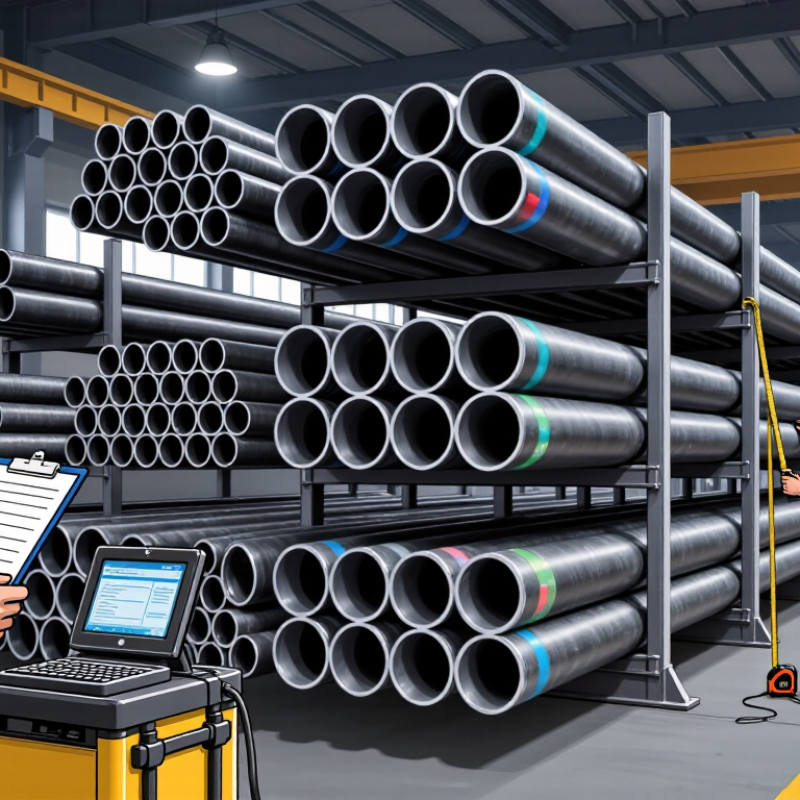
Define Your Carbon Steel Pipe Requirements
Before searching for carbon steel pipe for sale worldwide, define the service conditions clearly. Record the outside diameter, wall thickness, length, pressure, temperature, and fluid type. Pipe for steam needs different performance from pipe for structural support. Specify the grade and standard, such as ASTM A106, ASTM A53, API 5L, or EN 10216-1. Do not treat them as interchangeable.
The World Steel Association reported approximately 1.89 billion tonnes of crude steel production in 2023. This large supply base does not guarantee a suitable pipe. Mill capacity, forming method, heat treatment, and inspection quality still matter. Request chemical composition, tensile results, hydrostatic testing, and traceable material certificates. For offshore or buried service, define coating, corrosion allowance, and non-destructive testing requirements. Small details matter.
Check the actual dimensions. A pipe marked “6 inch” may have different wall thicknesses and weights. Confirm whether the quoted size follows nominal pipe size or an outside-diameter system. The International Energy Agency’s World Energy Investment 2024 report estimated global energy investment would exceed 3 trillion dollars in 2024, supporting continued demand for industrial piping. Yet demand can tighten delivery schedules. Allow time for production, third-party inspection, export packing, and port handling. I would also challenge my own specification: extra testing sounds safer, but unnecessary requirements can increase cost without improving service life. Get written confirmation before comparing prices.

Compare Global Pipe Standards, Grades, and Specifications
When searching for carbon steel pipe for sale worldwide, compare the standard before comparing the price. ASTM A53 commonly covers general service and structural applications, while ASTM A106 suits seamless pipe for high-temperature service. API 5L focuses on line pipe, with grades such as X42 and X52. European projects may specify EN 10216-1, including grades P235TR1 and P265TR1.
Grade alone is not enough. Check the manufacturing method, outside diameter, wall thickness, and length tolerance. American projects often use NPS and schedules. European drawings usually use DN and millimeters. A DN100 pipe may not match an NPS4 pipe perfectly without checking the actual outside diameter. Small differences matter during welding.
Ask for the material certificate.
A reliable supplier should provide heat numbers, chemical composition, mechanical test results, and hydrostatic test records. EN 10204 3.1 certification is often requested for traceability. Confirm whether the pipe is seamless, ERW, or welded, because each option affects cost and service performance. In humid or coastal locations, include a corrosion allowance or suitable coating specification. I would also recheck pressure, temperature, and fluid details before ordering; many purchase errors begin with an incomplete datasheet. Surface finish and end preparation can be overlooked too. That mistake is expensive.
Search Reliable Worldwide Suppliers and Sales Channels
How to Find Carbon Steel Pipe for Sale Worldwide?
Reliable worldwide suppliers are easier to find when you combine trade data with technical verification. The World Steel Association reported 1,892.2 million tonnes of crude steel production in 2023. This shows strong global capacity, but it does not prove that every seller can supply qualified pipe. Search regional manufacturers, authorized stockists, industrial distributors, and established B2B sales channels. Use UN Comtrade data to compare exports under HS codes 7304, 7305, and 7306. Check the product description carefully. Similar codes may cover different manufacturing methods.
Ask suppliers for mill test certificates, heat numbers, dimensional tolerances, and applicable standards. Confirm whether the pipe is seamless, welded, galvanized, or bare. Request inspection records from an independent agency when the order is large. The International Organization for Standardization reports that ISO 9001 focuses on consistent quality management, but certification alone cannot replace product testing. That distinction matters. A polished website is not evidence of technical competence. Compare production capacity, lead time, port access, packaging details, and after-sales communication. The International Trade Centre’s Trade Map can also help review supplier-country export patterns before requesting quotations. A low price may hide extra inspection, inland transport, or corrosion protection costs. I would not rely on one quotation. Suppliers sometimes provide incomplete specifications, and buyers often notice too late. Keep a written checklist, and challenge unclear claims before payment terms are discussed.
Verify Quality, Certifications, Pricing, and Shipping Terms
How to Find Carbon Steel Pipe for Sale Worldwide?
Finding carbon steel pipe worldwide requires more than comparing online prices. Start with the required grade, outside diameter, wall thickness, length, and end finish. Confirm whether the pipe is seamless or welded. A clear specification prevents costly substitutions.
Ask the supplier for a mill test certificate, production heat number, and dimensional inspection report. The heat number should match the markings on the pipe and related documents. Check chemical composition, tensile strength, yield strength, and pressure-test results. Independent inspection can verify ultrasonic testing, coating condition, and quantity before shipment. I have seen documents look complete while measurements revealed unacceptable wall-thickness variation. Paperwork is useful, but physical evidence matters more.
Request a detailed quotation with the currency, quantity basis, production time, and payment conditions. Compare total landed cost, not only the pipe price. Include packing, inland transport, ocean freight, insurance, customs duties, and destination charges. Confirm the Incoterm, loading port, shipment method, and estimated arrival date in writing. Pipes need strong bundling and moisture protection, especially during long sea transport. Ask about claim procedures for shortages or damage. Some quotes appear cheap because freight or inspection fees are missing. I still review my assumptions twice, because exchange rates and port charges can change quickly. Keep approved drawings, certificates, photos, and correspondence in one controlled file. That record supports reliable purchasing decisions.
Complete the Purchase and Plan International Delivery
Finding carbon steel pipe for sale worldwide is only the beginning. The purchase must match your project’s pressure, temperature, diameter, wall thickness, and connection requirements. Request a detailed quotation with steel grade, pipe schedule, length tolerance, surface condition, and manufacturing standard. A reliable supplier should provide mill test certificates, inspection records, and clear production dates. Ask for recent shipment experience, not only attractive prices.
Before payment, confirm every detail in the sales contract. Include quantity, packing method, delivery term, payment stages, inspection rights, and procedures for damaged goods. For international delivery, choose the shipping term carefully. It should define who handles freight, insurance, export documents, and destination charges. Pipes often need strong bundles, protective caps, moisture control, and visible labels. Verify the destination port, customs requirements, import permits, and unloading equipment before production begins. A small document error can delay a full container.
Tips: Compare at least three quotations. Check certificate numbers. Use independent inspection when volume is large. Confirm the pipe length inside each bundle. I once underestimated storage space; that mistake was expensive. Also, do not assume the cheapest freight option is safest. Sea routes, seasonal congestion, and inland transport can change the final cost. Keep one contact responsible for documents, tracking, and delivery updates. Ask for photographs before loading. It feels simple, but it prevents avoidable disputes.
Global Steel Supply Context for Carbon Steel Pipe Sourcing
The chart compares crude steel production in major producing countries in 2023, measured in million tonnes. These markets can be useful reference points when evaluating worldwide carbon steel pipe availability, supplier capacity, documentation requirements, and international delivery planning. Production volume is a market-scale indicator and does not represent pipe-specific output.
Source: World Steel Association, World Steel in Figures 2024.

