What is a Sliding Patio Door and How Does It Work?
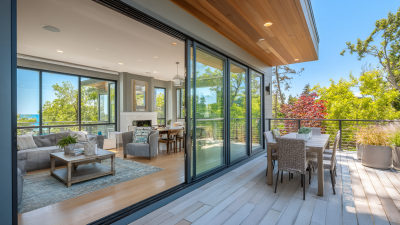
Sliding patio doors are a popular choice for many homeowners. They create a seamless transition between indoor and outdoor living spaces. Known for their sleek design, sliding patio doors enhance natural light in a room. They are easy to operate and provide a wide view of your backyard or patio.
These doors consist of two or more panels that slide along a track. One panel typically remains stationary, while the other glides open and closed. This design saves space, making them ideal for tight areas. However, some users find maintenance challenging. Keeping the track clean is essential for smooth operation.
Many homeowners appreciate the variety of styles available. Sliding patio doors can be customized to fit any aesthetic. Despite their advantages, it's vital to consider potential drawbacks. Security is one concern; glass doors may require additional locks or reinforcement. Understanding how sliding patio doors work will help in making an informed decision.
What is a Sliding Patio Door?
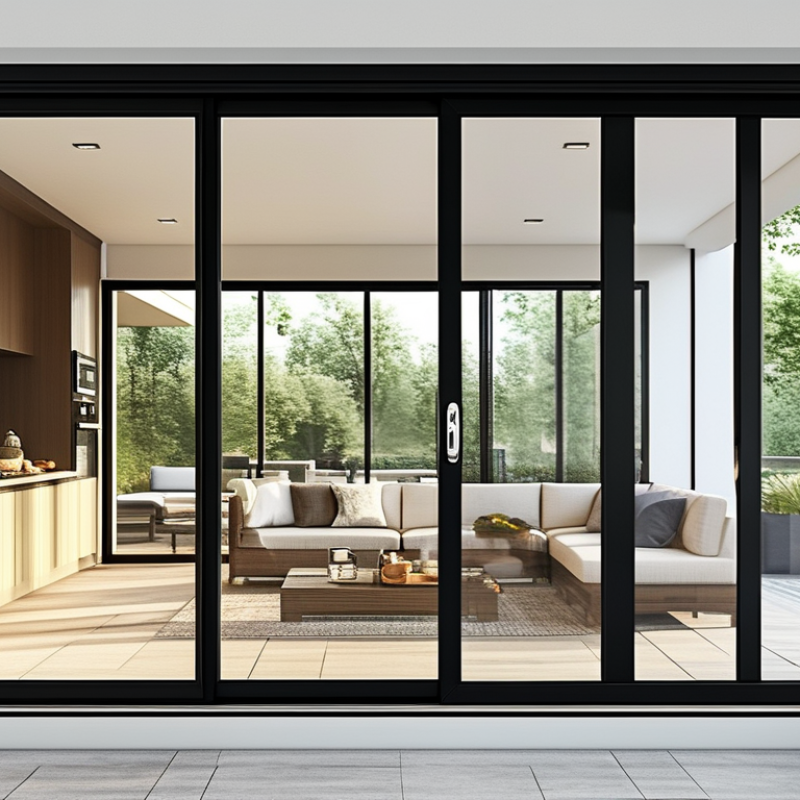
A sliding patio door is a popular architectural feature in many homes. It consists of large glass panels that glide on tracks, allowing easy access to outdoor spaces. This design lets natural light flood into your home, creating a sense of openness. The smooth operation of these doors relies on rollers and tracks. Maintaining these components is vital for optimal performance.
The aesthetic appeal of sliding patio doors is significant. They can complement various home styles, from modern to traditional. Many homeowners appreciate how these doors blend indoor and outdoor living. However, installation can pose challenges. Improper alignment or inadequate sealing might compromise energy efficiency. Regular maintenance checks can help prevent these issues.
Children and pets often gravitate toward these doors. Their interests can lead to accidental bumps or scratches. It’s essential to consider safety measures. Sturdy materials and shatter-resistant glass can enhance security. Ultimately, a sliding patio door can be an excellent choice, but thoughtful planning and care are necessary.
The Components of a Sliding Patio Door
Sliding patio doors are popular for their space-saving design and aesthetic appeal. They consist of several key components that work together seamlessly. The main parts include the door panels, tracks, rollers, and frame. Each component plays a crucial role in the door's functionality.
The door panels are typically made of glass, allowing natural light to flood the interior. They slide along tracks, which are installed at the bottom. These tracks support the door's weight. Rollers are attached to the panels, helping them glide smoothly when opening or closing. The frame provides structural integrity.
Regular maintenance is essential. Dust can accumulate in the tracks, which may hinder movement. If not cleaned, the rollers might wear out. Occasionally, the alignment can shift, causing the doors to stick. Keeping an eye on these details can save you from more significant repairs in the future.
Sliding patio doors are not just practical; they also enhance the visual connection between indoors and outdoors.
How Sliding Mechanism Functions in Patio Doors
Sliding patio doors operate on a straightforward yet effective mechanism. They usually consist of two large panels of glass. One of the panels is fixed, while the other glides over it. This design allows for maximum natural light and a seamless transition between indoor and outdoor spaces. The sliding mechanism typically employs wheels or rollers at the bottom of the moving panel.
These rollers help the door slide smoothly. They are often made of durable materials to withstand frequent use. Proper installation is crucial to ensure the door operates without difficulty. Misalignment can lead to a tricky operation, making it hard to open or close the door. Regular maintenance, such as cleaning the track and checking for debris, can enhance functionality.
Understanding the sliding mechanism is essential for homeowners. It can help in troubleshooting minor issues. For instance, if the door starts to stick, inspecting the rollers can reveal dirt or wear. Sometimes, a simple adjustment is all that's needed. However, some may find the sliding doors less secure than traditional swinging doors. Ensuring a good locking system can alleviate concerns regarding safety.
Advantages of Installing a Sliding Patio Door
Sliding patio doors are becoming a popular choice for many homeowners. They offer a seamless transition between indoors and outdoors. This design also allows natural light to fill your space. However, the advantages go beyond aesthetics.
One significant benefit of sliding patio doors is the energy efficiency they provide. Many modern designs come with high-quality, insulated glass. This keeps your home warmer in winter and cooler in summer. Another plus is their space-saving design. Unlike traditional swinging doors, sliding doors do not require additional room to open. This is especially useful in smaller spaces.
Installing a sliding patio door can enhance your home's value. The right door improves curb appeal and attracts potential buyers. You may find yourself enjoying morning coffee while overlooking the garden. Still, it’s essential to consider maintenance needs. Regular cleaning helps prevent dirt buildup and ensures smooth operation.
Maintenance Tips for Sliding Patio Doors
Sliding patio doors are popular for their space-saving features and functionality. However, regular maintenance is essential to keep them in optimal condition. Professionals recommend checking the door's tracks regularly to ensure they are free of dirt and debris. A clean track allows for smoother operation and can extend the door's lifespan. Ignoring this step can lead to serious issues, such as misalignment or jamming.
Lubrication is another crucial aspect of maintenance. It is suggested to use a silicone-based lubricant, which helps reduce friction in the moving parts. Reports indicate that maintaining these components can extend their service life by up to 30%. Homeowners should also routinely inspect the door seals for wear and tear. Damage to seals can cause drafts, leading to energy loss and higher utility bills.
Homeowners often overlook the importance of annual maintenance checks. A proactive approach can prevent costly repairs later. Keeping a log of maintenance tasks can help track when specific services were performed. This method reinforces accountability. Engaging a professional for detailed inspections can reveal hidden issues. Even minor discrepancies can become significant problems if left unattended. Such reflective practices can enhance the longevity and efficiency of sliding patio doors.
Related Posts
-
The Ultimate Guide to Choosing Double Sliding Patio Doors for Energy Efficiency and Aesthetics
-
Unlock Your Home’s Potential: A Comprehensive Guide to the Best Sliding Patio Doors for 2023
-
Top 10 Tips for Choosing the Best Patio Doors in the UK
-
How to Choose the Best Sliding Patio Doors for Your Home?
-
Upgrade Your Home A Comprehensive Guide to Patio Door Replacement
-

10 Essential Tips for Choosing the Perfect Sliding French Doors for Your Home