Why Is Talcum Powder Controversial for Health Risks?
talcum powder has been a staple in many households for decades. It is used for various purposes, from personal hygiene to cosmetic applications. However, its safety has come under intense scrutiny. Many people are concerned about potential health risks associated with talcum powder.
Over the years, some studies have linked talcum powder to serious health issues. These include ovarian cancer and respiratory problems. The controversy has led to widespread debate among health professionals, scientists, and consumers. Some argue that talcum powder is safe when used appropriately. Others emphasize the need for caution, urging consumers to reconsider its use.
The conflicting information can be overwhelming. Individuals may feel uncertain, wondering if they should continue using talcum powder. As the debate persists, it raises questions about our trust in consumer products. The challenge lies in balancing convenience and safety.
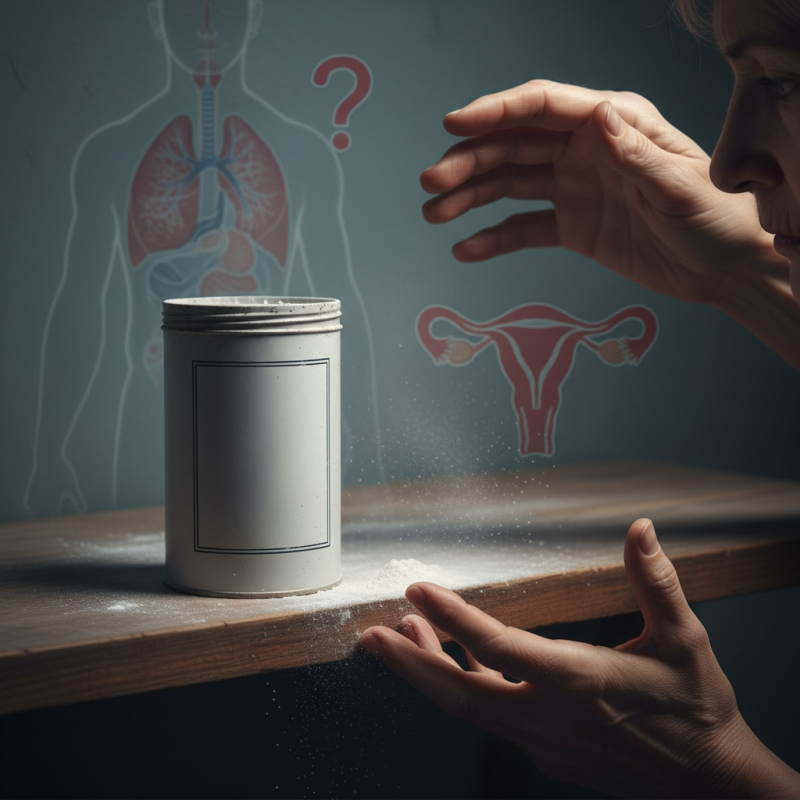
Controversial Health Risks Associated with Talcum Powder Use
Talcum powder has sparked significant health concerns over the years. Many people do not realize its potential risks. The powder, often used for its ability to absorb moisture, can pose serious health issues, particularly if inhaled. Particles may enter the lungs, leading to respiratory problems. This risk is particularly concerning for infants and those with pre-existing conditions.
Another major debate revolves around its alleged link to cancer. Some studies suggest that frequent use might increase the chances of ovarian cancer in women. There are conflicting opinions on this matter. While some research indicates a connection, others find no definitive evidence. This uncertainty leaves many people questioning the safety of products containing talcum powder.
Additionally, talcum powder might contain asbestos, a known carcinogen. Even small traces can be problematic. Companies often claim their products are asbestos-free, but concerns linger. Consumers must consider these factors carefully. Seeking alternatives is becoming more common as awareness grows. Discussions about health risks should continue, prompting reflection on our everyday choices.

Historical Overview of Talcum Powder and Its Uses in Consumer Products
Talcum powder has a long history in consumer products. It is often used in cosmetics, body powders, and even baby products. The fine texture provides a smooth feel, making it popular among users. For many years, it was considered a staple in personal care.
However, controversy surrounds talcum powder’s safety. Some research links it to health risks, sparking concern. Users began to question its ingredients and their long-term effects. With growing awareness, many opt for alternative products. This shift reflects a desire for safer options.
Tip: Always check ingredient labels before purchasing. It’s essential to know what you are applying to your skin. Consider natural alternatives, as they might be less controversial.
While using talcum powder, think about your choices. Awareness of potential risks can lead to better decisions. Remember that not all products are created equal, and what works for one may not work for another.
Scientific Studies Linking Talcum Powder to Ovarian Cancer and Mesothelioma
Talcum powder has long been used for its absorbent properties. However, scientific studies raise concerns about its potential health risks. Some research suggests a link between talcum powder and ovarian cancer. For instance, a study published in the journal "Cancer Epidemiology Biomarkers & Prevention" found that women who regularly used talc on their genital area had a 33% increased risk of developing ovarian cancer.
Moreover, talc can be contaminated with asbestos, a known carcinogen. The World Health Organization lists asbestos as a Group 1 carcinogen, linked to mesothelioma, a rare but aggressive cancer. A report by the American Cancer Society states that talc exposure can lead to mesothelioma, especially in industries that mined talc prior to regulations. Many people remain unaware of these risks.
While some argue more research is needed, the potential dangers are evident. Individuals must weigh the benefits against the possible health effects. The conversation about talcum powder is ongoing and reflects a need for more awareness in public health discussions. Recognizing these risks is essential for informed choices.
Regulatory Responses and Legal Actions Concerning Talcum Powder Safety
Talcum powder has sparked significant debate over its safety. Regulatory bodies have examined its health risks, especially concerning ovarian cancer and respiratory conditions. As medical research evolves, concerns about talc's asbestos content intensify. Some studies show a potential link between talc use and certain cancers. This has prompted agencies to reassess safety guidelines.
Legal actions surrounding talcum powder have risen sharply. Many lawsuits claim that manufacturers failed to warn consumers about the dangers. Reports of people suffering health issues after prolonged talc exposure continue to emerge. This has led to investigations and updates in regulatory frameworks. Some regulators now require clearer labeling and safety information on talc products.
Tips: If you use talcum powder, consider alternatives. Keep informed about safety guidelines. Always check product labels for ingredients. Transparency is key. Be mindful of the ongoing debates and emerging research. Your choices matter.
Industry Perspectives on Talcum Powder Safety and Future Alternatives
Talcum powder has sparked heated debates in recent years, particularly regarding its safety. Critics raise concerns about potential health risks linked to talc, particularly in its use as a personal care product. Some studies have suggested a possible connection between talc and serious health issues. This has affected public perception and trust in talcum powder.
From an industry perspective, manufacturers defend the safety of talcum powder. They argue that rigorous testing and regulations ensure its proper use. However, skepticism remains, prompting companies to seek alternatives. Natural ingredients are being explored to replace talc. These new formulations aim to provide similar qualities without the associated risks.
The shift towards alternative products signals a changing landscape in personal care. There is a need for transparency in ingredients used. Consumers increasingly prefer products with clear labeling and safe profiles. This trend could reshape the industry. Companies that embrace these changes may find new growth opportunities while addressing health concerns.
Health Risk Perspectives of Talcum Powder Use
This chart displays the reported incidence percentages of various health risks associated with talcum powder use. The data highlights concerns related to ovarian cancer, lung cancer, other health issues, and the overall public concerns surrounding the product.

