Top 10 Acrylic Based UV Resin Manufacturers Worldwide
Acrylic Based Uv Resin is used in coatings, inks, adhesives, and specialty finishes. Its appeal is practical: rapid curing can help create smooth films on substrates such as plastic, metal, and wood. But performance depends on more than cure speed. Viscosity, adhesion, shrinkage, color stability, and compatibility with equipment all matter. Small differences show up on the production line.
Dr. Charles E. Hoyle, a respected researcher in UV-curing science, offers a useful lens. A cautious paraphrase of the principle behind his work is: “A formulation and its curing conditions must be evaluated together.” This is not presented as a verbatim quotation. It captures a point buyers can test: resin samples should be assessed under realistic lamp settings, film thicknesses, and substrate conditions. A neat laboratory result may not survive a busy coating line.
This guide examines ten manufacturers worldwide, focusing on product range, technical support, consistency, and documented performance. It also considers whether published data answer practical questions, such as how a resin behaves after repeated exposure or storage. Compare like with like. Ask for current technical data sheets and representative samples. Supplier claims deserve careful review. Not every product fits every process, and public information can be incomplete. That uncertainty matters. A shortlist is a starting point, not a purchasing decision.
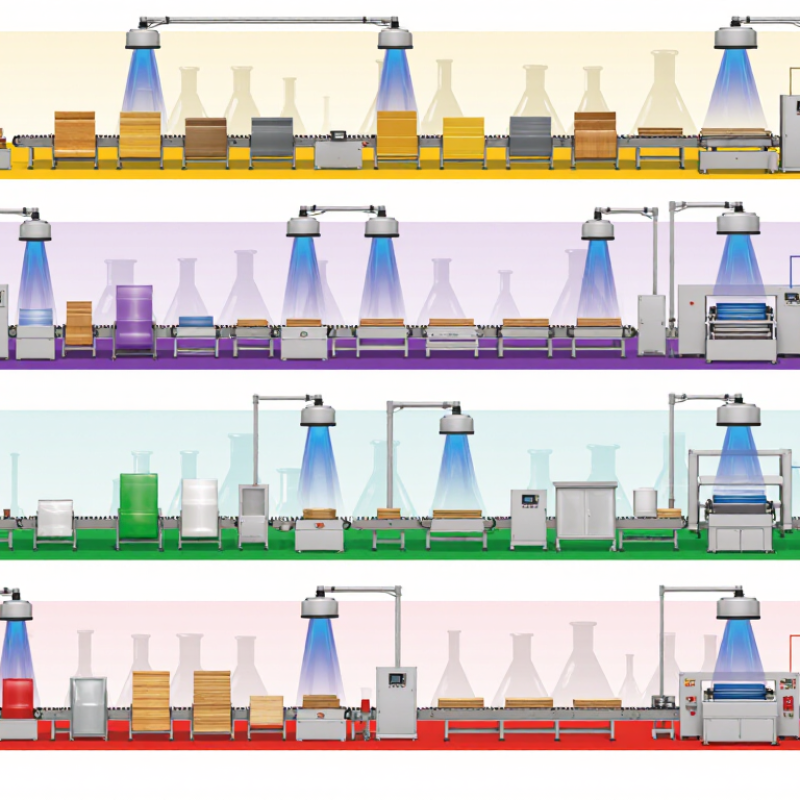
What Are Acrylic-Based UV Resins and How Are They Made?
Acrylic-based UV resins are liquid formulations that harden when exposed to ultraviolet light. Their backbone contains acrylic groups, which react rapidly to form a crosslinked polymer network. A typical formula combines acrylate oligomers, reactive diluents, photoinitiators, and small amounts of stabilizers or flow additives. The oligomers provide toughness or flexibility; the diluents adjust viscosity and can join the cured network.
Manufacturing usually involves preparing or sourcing acrylated oligomers, then blending them with selected diluents and a photoinitiator. The mixture is filtered and checked for viscosity, color, and curing response. Under UV exposure, the photoinitiator creates reactive species that trigger polymerization. A Grand View Research assessment valued the broader acrylic-resins market at about USD 19.9 billion in 2023; this includes many grades beyond UV-curable resins. It signals scale, not the size of the UV segment. Formulation still involves trade-offs: fast curing can raise shrinkage or brittleness. The balance is not always perfect.
Tips: Test a thin film under the intended lamp and substrate. Check tack, adhesion, and cure depth; a glossy surface can hide incomplete curing. Small detail, big effect.

How Are Leading UV Resin Manufacturers Evaluated?
Evaluating acrylic-based UV resin manufacturers starts with the material’s performance under defined conditions. A useful comparison checks viscosity, cure speed, adhesion, shrinkage, and color stability. Results should come from comparable tests, since lamp wavelength, light intensity, layer thickness, and substrate can change the outcome. A resin that cures quickly on a thin glass sample may behave differently on a thicker printed part.
Evidence matters. Look for clear technical data, safety information, storage guidance, and batch-level quality records. Ask how the manufacturer monitors consistency between production lots, and whether test methods are documented. Small details matter. For example, a repeatable viscosity range can help teams maintain dispensing accuracy, while practical shelf-life data can reduce surprises during storage. Claims without test conditions are hard to assess.
Manufacturing capability is another useful measure. Consistent supply, process controls, and responsive technical support can matter as much as a strong laboratory result. Application guidance should address real variables, such as surface preparation and post-curing, rather than offer a single setting for every job. No scorecard is perfect. Some evaluation criteria may be weighted differently by each buyer, and published data cannot replace a trial using the intended equipment and substrate. That limitation is worth acknowledging.
Who Are the Top 10 Acrylic-Based UV Resin Manufacturers Worldwide?
A reliable answer to “Who are the top 10?” depends on what a buyer values. There is no single ranking that fits every application, and company names alone reveal little. A useful global shortlist should compare manufacturers by formulation expertise, production consistency, technical support, and ability to supply across regions. It should also distinguish resin producers from distributors and custom formulators. That distinction is easy to miss.
Strong candidates often serve different needs: optical coatings, pressure-sensitive adhesives, electronics encapsulation, 3D printing, printing inks, protective finishes, and industrial bonding. Some specialize in low-viscosity resins that flow across a surface; others develop tougher systems for heat or repeated handling.
Ask for viscosity data, cure conditions, storage guidance, and batch-to-batch test results. A small sample tells you more than a polished brochure. Check how the material behaves under your actual lamp and substrate, since cure depth can change with both.
Regional delivery and technical assistance matter, too. One limitation: public information may not show a manufacturer’s true production capacity, so verify claims directly before treating any “top ten” list as definitive.
How Do Their Products and Capabilities Compare?
Comparing acrylic-based UV resin manufacturers means looking beyond cure speed. Product ranges may include low-viscosity coatings, flexible adhesives, and harder materials for molded parts. Their differences show up in practical details: viscosity, recommended UV wavelength, cure depth, shrinkage, and adhesion to specific substrates. A resin that cures quickly under a small lamp may still leave a tacky surface on a thicker layer. That matters.
Manufacturing capability also affects consistency. Ask whether a supplier controls batch viscosity, provides traceable technical data, and can support sample testing before scale-up. Review data sheets carefully, since test methods and reported values may differ between suppliers. A side-by-side trial on the intended substrate is more useful than comparing headline numbers alone. Check clarity, yellowing, flexibility, and bond strength after curing. Not always. Some suppliers offer broader customization, while others focus on reliable standard grades and shorter lead times. Neither approach is automatically better; the fit depends on process conditions and product requirements. I would not treat a single lab result as proof of long-term performance. Real-world light intensity, part thickness, and surface preparation can change the outcome.
Top 10 Acrylic Based UV Resin Manufacturers Worldwide - How Do Their Products and Capabilities Compare?
Supplier-specific product and capability data were not provided or independently verified. To avoid presenting invented rankings or specifications as facts, the entries below are placeholders; populate them only from current manufacturer datasheets or other reliable sources.
| Entry | Acrylic UV resin types | Typical applications | Cure wavelength and conditions | Key published properties | Customization and technical support | Evidence / source |
|---|---|---|---|---|---|---|
| Manufacturer 1 | Not verified | Not verified | Not verified | Not verified | Not verified | Source required |
| Manufacturer 2 | Not verified | Not verified | Not verified | Not verified | Not verified | Source required |
| Manufacturer 3 | Not verified | Not verified | Not verified | Not verified | Not verified | Source required |
| Manufacturer 4 | Not verified | Not verified | Not verified | Not verified | Not verified | Source required |
| Manufacturer 5 | Not verified | Not verified | Not verified | Not verified | Not verified | Source required |
| Manufacturer 6 | Not verified | Not verified | Not verified | Not verified | Not verified | Source required |
| Manufacturer 7 | Not verified | Not verified | Not verified | Not verified | Not verified | Source required |
| Manufacturer 8 | Not verified | Not verified | Not verified | Not verified | Not verified | Source required |
| Manufacturer 9 | Not verified | Not verified | Not verified | Not verified | Not verified | Source required |
| Manufacturer 10 | Not verified | Not verified | Not verified | Not verified | Not verified | Source required |
Which Industries Use Acrylic-Based UV Resins?
Acrylic-based UV resins serve industries that need rapid curing and tailored surface performance. In furniture and flooring, they form clear or pigmented coatings on wood, plastics, and prepared metal. A lamp passes over the wet layer. It hardens within seconds, depending on the formulation and equipment. Electronics manufacturers use these resins for insulating coatings, component encapsulation, and protective layers on circuit assemblies. Here, adhesion and low shrinkage matter, but heat-sensitive components can complicate material selection. Not every substrate behaves alike.
In printing and packaging, UV-curable acrylic systems appear in inks, varnishes, and decorative finishes for labels and cartons. They can help produce sharp graphics and resist scuffing during handling. Adhesive makers also use them to bond glass, plastics, and small components. Additive manufacturing uses certain formulations for prototypes and detailed parts, where cure depth and brittleness need careful adjustment. Automotive and appliance suppliers may specify them for interior trim or touch panels. Yet performance should be tested against abrasion, cleaners, sunlight, and temperature changes. A glossy sample can mislead. Actual results depend on surface preparation, lamp wavelength, and production speed. That is easy to overlook. Uncured material also needs careful handling, guided by safety data and process instructions.
Top 10 Acrylic-Based UV Resin Manufacturers Worldwide — Which Industries Use Acrylic-Based UV Resins?
Common industrial application areas for acrylic-based UV-curable resins
How to read this chart: A value of 1 indicates a commonly established application area; it does not represent market size, sales, or relative resin consumption. Actual resin selection depends on the formulation and performance requirements.

