What Are the Top Types of Patio Doors in 2026?

Choosing patio doors in 2026 is less about finding one “best” design and more about matching the opening to daily life. A sliding door can preserve floor space in a compact room, while French doors create a wide, familiar entrance. Bi-fold and multi-slide systems can open larger areas to a deck or garden, but they need enough wall space and careful installation. The details matter. A broad glass panel may brighten a dining area, yet glare and heat can become noticeable during sunny afternoons.

This guide compares the main types of patio doors by how they work, where they fit, and what to check before buying. Look beyond the showroom appearance: measure the opening, consider furniture and walking paths, and ask how the threshold handles rain and everyday traffic. Frame material, glazing, hardware, and professional fitting can all affect comfort and upkeep. A door that glides smoothly in a display may feel different after years of use. That deserves thought. Product performance also varies by model and climate, so confirm specifications with the manufacturer rather than relying on broad claims. The right choice should feel practical on an ordinary Tuesday, not just impressive during a renovation tour.
What Are the Top Types of Patio Doors in 2026?

Main Patio Door Types Available in 2026

Patio doors in 2026 generally fall into a few practical categories, each suited to a different opening and daily routine. Sliding doors move along a track, so they do not swing into furniture or a narrow deck. They save floor space. Their wide glass panels can bring in daylight, though the track needs occasional cleaning to keep movement smooth. Multi-slide versions use several panels and can create a broader opening, but they need more wall space and careful installation.

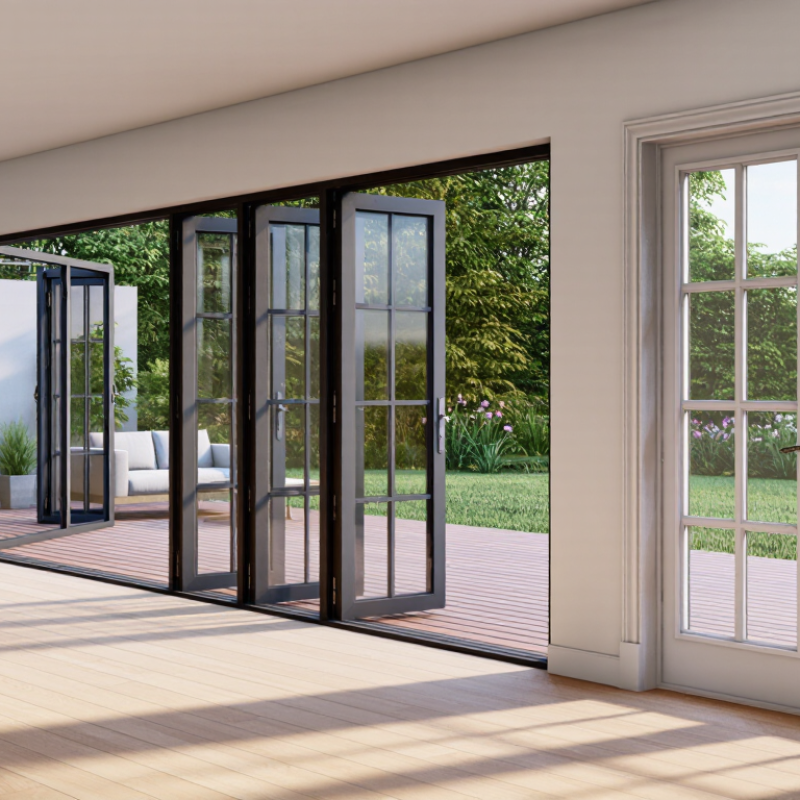
Hinged patio doors, often called French doors, swing inward or outward on side hinges. They offer a familiar feel and can suit smaller openings, but allow room for the door leaf to move. Folding doors connect several panels that stack to one side, making a large opening possible; their multiple hinges and tracks need regular attention.

Pivot styles are another option, using a central or offset pivot point for a distinctive swing, though they are less common and may not suit every layout. A small caveat: the door type alone does not determine comfort. Glass choice, frame quality, weather seals, and a level threshold all affect drafts, maintenance, and accessibility. Check the opening dimensions and nearby furniture before choosing.

How Sliding, French, Folding, and Multi-Slide Doors Work

Sliding doors travel on horizontal tracks, with one or more panels moving past fixed glass. They suit narrow patios because they need little clearance inside or out. Keep the track clean; grit can make even a quality panel drag. Their broad glazing also makes energy performance worth checking.

The U.S. Department of Energy’s Energy Saver guidance estimates that heat gain and loss through windows account for about 25–30% of residential heating and cooling energy use. That figure is not a patio-door-specific estimate, but it highlights why glass area, seals, and climate matter.

French doors use hinged panels that swing inward or outward. They create a familiar, balanced opening, but need clear floor space for the swing. Measure around furniture, not just the doorway.

Folding doors connect several hinged panels that stack to one or both sides, opening much of the wall. They can feel wonderfully open, though the folded stack takes space and the many joints need careful adjustment.

Multi-slide doors use several panels that glide on parallel tracks; some configurations let panels meet at a pocket in the wall. This can create a very wide opening, but installation and track drainage require precision. Bigger is not always better. Consider wind exposure, threshold height, frame strength, and how often the opening will be used. A door that looks effortless in a showroom may feel less so when daily cleaning and furniture placement enter the picture.

Comparing Patio Door Designs, Materials, and Performance

Sliding patio doors remain popular where floor space is limited. Their panels move along a track, so furniture can sit close to the opening. Large glass areas bring in daylight, but the track needs regular cleaning. Dirt and grit can make operation feel rough. Check the rollers, locking points, and weather seals before comparing models.

Hinged French doors open wide and suit rooms with enough clearance. They can provide a familiar, solid feel, though a swinging panel may conflict with a table or narrow walkway. Bifold doors fold aside to create a broad opening, but their multiple panels and hardware require careful alignment. A small installation error can affect how smoothly they close.

Material choices shape comfort and maintenance. Vinyl frames need little upkeep and resist moisture, while wood offers warmth but needs periodic care, especially in wet or sunny locations. Fiberglass is stable through temperature changes; aluminum is slim and strong, though its thermal performance depends on the frame design. Glass matters too. Low-emissivity glazing can help limit heat transfer, and laminated options may reduce outside noise. Compare tested whole-door ratings, not glass alone. Some details are easy to miss. Check the sill height, drainage path, and ease of cleaning before deciding.

What Are the Top Types of Patio Doors in 2026?

A qualitative comparison of common patio door designs. Ratings indicate typical design tendencies, not standardized test results; actual performance depends on the product, materials, glazing, and installation.

Sliding doors save floor space, while hinged French doors can provide a wide opening when both panels are used. Folding doors can create a broad opening, but have more panel joints. Weather sealing varies by model and installation.

How to Choose a Patio Door for Your Space and Climate

Choosing a patio door starts with climate and available floor space, not appearance alone. The U.S. Department of Energy’s Energy Saver guidance estimates that heat gain and loss through windows account for 25–30% of home heating and cooling energy use. That estimate covers windows, not patio doors specifically, but it shows why a large glazed opening deserves careful attention. In cold regions, compare doors with a lower U-factor to limit heat transfer. In hot, sunny areas, a lower Solar Heat Gain Coefficient can help reduce unwanted warmth. Check the National Fenestration Rating Council label for both values.

The opening style matters, too. Sliding doors suit narrow rooms because their panels do not swing into furniture or walkways. Hinged doors can provide a wider clear opening, but need space for the panel to move. Folding systems open broadly, though their tracks and multiple seals may need more upkeep.

Orientation changes the decision: a west-facing glass door may take strong afternoon sun, while a shaded north-facing opening has different needs. Ratings help, but they do not correct poor installation or a leaky threshold.

Tips: Before ordering, measure the opening and note the door’s direction. Ask how the frame, glass, weather seals, and sill handle local wind and rain. Feel for drafts around the existing frame on a cold day. A perfect rating on paper can still disappoint when installation details are missed.

FAQS

Which patio door type saves the most floor space?

Sliding doors move along a track and do not swing into furniture. They suit narrow decks and rooms with limited clearance.

When are hinged French doors a practical choice?

They work well in smaller openings when there is room for the panels to swing. Check nearby tables and walkways first.

What do folding patio doors offer?

Their panels stack to one side, creating a broad opening. The hinges and tracks need regular attention.

Are pivot doors suitable for every home?

Not always. Their distinctive swing may not fit every layout, so check the opening and surrounding space.

Which frame material needs the least upkeep?

Vinyl generally needs little maintenance and resists moisture. Wood feels warm, but may need periodic care in wet or sunny locations.

How do fiberglass and aluminum frames differ?

Fiberglass stays stable through temperature changes. Aluminum can be slim and strong, though thermal performance depends on its frame design.

What should I check when comparing glass?

Low-emissivity glazing can help limit heat transfer. Laminated glass may reduce outside noise, but compare whole-door ratings too.

What small details are easy to overlook?

Check the sill height, drainage path, weather seals, and cleaning access. I might overlook the track at first; grit can make it feel rough.