2026 Top Patio Door Types in Canada for Global Buyers
Choosing among the 2026 top patio door types in Canada requires more than comparing attractive photographs. Global buyers must study climate, building design, installation quality, and long-term maintenance. The Canadian market includes sliding patio doors, hinged French doors, folding systems, multi-slide doors, and lift-and-slide designs. Each option creates a different balance between daylight, ventilation, security, insulation, and usable floor space.
Building-science expert Dr. Joseph Lstiburek has often emphasized, “Buildings should be designed for the climate they are in.” That principle matters when evaluating patio doors canada suppliers and products. A wide glass opening may look impressive beside a snowy deck. However, its frame, seals, drainage, and installation details decide everyday comfort. Buyers should ask about thermal performance, condensation control, low-emissivity glass, air leakage, and resistance to wind-driven rain. Product labels help. They never replace careful technical review.
This guide compares practical door types for Canadian conditions and international purchasing needs. Sliding doors suit compact rooms and usually require less clearance. Hinged doors can provide a familiar entrance and strong weather sealing. Folding and multi-slide systems create dramatic openings, but they demand accurate structural planning. Lift-and-slide models feel smooth and refined, although their pricing can rise quickly. There is no perfect choice. Even experienced buyers may overlook local installation limitations. That deserves attention. The best decision connects the door’s operation, glass package, frame material, and climate exposure with the project’s actual use. Clean design matters, but reliable performance matters longer.
What Are the Main Patio Door Types Available in Canada in 2026?
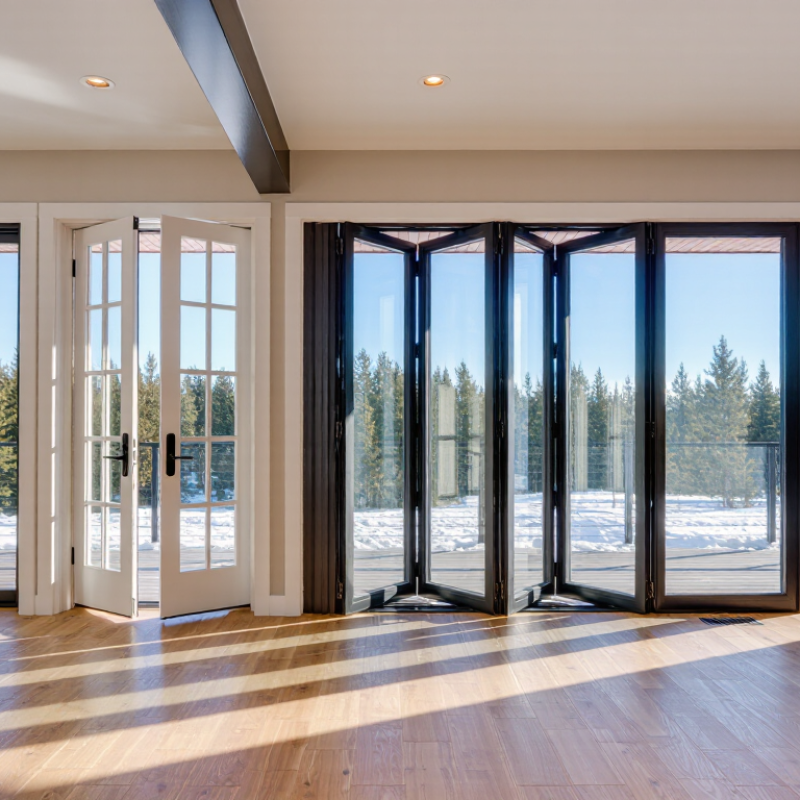
Canada’s 2026 patio door market offers several practical types for global buyers. Sliding doors remain common because their panels move horizontally and save interior floor space. They suit compact condos, balconies, and snowy regions where wide swing clearances are inconvenient. Hinged or French doors open inward or outward, creating a familiar entry feel and stronger ventilation. They need more room, however.
Folding doors use several connected panels to create a wide opening. They work well beside dining areas or covered decks, but their hardware needs careful alignment. Lift-and-slide systems combine large glass panels with low operating force. They can provide impressive views, though installation tolerances are less forgiving. Natural Resources Canada reports that windows and doors can account for up to 35% of a home’s heat loss. Buyers should therefore compare U-factor, airtightness, glazing, and frame performance, not glass area alone.
A useful Canadian reference is CSA A440.4, which addresses window and door installation. It reinforces a practical point: even an efficient door can perform poorly after careless fitting. ENERGY STAR Canada documentation also emphasizes U-factor and energy-rating measurements for fenestration products. A tidy ranking is tempting, but climate and building design matter more. Coastal buyers may prioritize corrosion resistance. Prairie buyers may need stronger weather seals. I would not select a large folding door without reviewing drainage details, service access, and winter testing evidence. That extra caution can prevent expensive disappointment.
2026 Top Patio Door Types in Canada for Global Buyers
| Patio Door Type | How It Operates | Typical Configuration | Common Materials | Typical Glazing Options | Main Advantages | Important Limitations | Best Canadian Applications |
|---|---|---|---|---|---|---|---|
| Sliding Patio Doors | One or more panels slide horizontally on tracks, usually behind a fixed panel. | Commonly two-panel or three-panel units; larger systems may use multiple sliding panels. | Vinyl, fiberglass, aluminum, wood, or wood-clad frames. | Double glazing is common; triple glazing is available for colder regions. Low-emissivity coatings and argon gas may improve insulation. | Space-efficient operation, wide glass area, simple everyday use, and generally lower clearance requirements than hinged doors. | Only part of the opening is usable at one time; tracks and rollers require cleaning and adjustment. | Condos, apartments, townhouses, compact patios, balconies, and renovations where exterior swing space is limited. |
| Hinged French Patio Doors | Two door leaves swing inward or outward from side hinges; one or both leaves may open. | Usually a pair of doors with a central meeting point; sidelites or a transom can be added. | Wood, fiberglass, vinyl, aluminum, or composite frames. | Double or triple insulated glass, Low-E coatings, argon-filled units, and optional decorative or laminated glass. | Can open nearly the full framed width, provides a traditional appearance, and offers a broad passage for furniture or outdoor access. | Requires clear floor and patio space; hinges, weather seals, and alignment need periodic inspection. | Detached homes, garden-facing rooms, heritage-style properties, and projects prioritizing a wide opening. |
| Single Hinged Patio Doors | One insulated door leaf swings from hinges, typically inward or outward depending on the design and local requirements. | One active door, sometimes combined with a fixed sidelite or narrow secondary panel. | Fiberglass, steel, wood, vinyl, or aluminum-clad wood. | Insulated double glazing is typical; triple glazing and laminated safety glass are available. | Good thermal performance potential, strong perimeter sealing, straightforward hardware, and modest purchase and installation complexity. | Provides a narrower passage than double or multi-panel systems and needs space for the door swing. | Small patios, kitchens, utility areas, balconies, and homes with limited opening width. |
| Bi-Fold or Folding Patio Doors | Several connected panels fold and stack to one or both sides of the opening. | Usually three to six or more panels, depending on the opening width and structural design. | Aluminum, wood, wood-clad, fiberglass, or composite systems. | Double or triple insulated glazing; Low-E coatings and laminated glass may be specified for energy or safety requirements. | Creates a very wide opening, connects indoor and outdoor areas, and allows flexible panel stacking arrangements. | Higher hardware and installation complexity; requires adequate stacking space and precise structural support. | Large detached homes, entertaining areas, new construction, and indoor-outdoor designs with substantial wall openings. |
| Lift-and-Slide Patio Doors | Turning the handle lifts the operating panel slightly off its seals, allowing it to glide horizontally; closing lowers it onto the seals. | Large two-, three-, or multi-panel systems designed for wide openings. | Primarily aluminum, wood-clad, fiberglass, or engineered composite frames. | High-performance double or triple glazing, Low-E coatings, warm-edge spacers, and insulated frames are commonly specified. | Suitable for large, heavy panels; smooth operation; broad views; and potentially strong air and water resistance when correctly designed and installed. | Typically costs more than standard sliding doors and requires accurate installation, structural planning, and regular track care. | Premium custom homes, lakefront properties, modern architecture, and large openings in cold or windy regions. |
| Multi-Slide Patio Doors | Multiple panels slide along parallel tracks; some designs allow panels to stack or move into a wall pocket. | Three or more panels, with configurations selected according to wall length and desired opening direction. | Aluminum, wood-clad, fiberglass, or composite framing. | Insulated double or triple glazing, Low-E coatings, argon gas, and safety glazing where required by the project. | Provides expansive views and a large opening while preserving floor space used by hinged doors. | Needs careful structural engineering, substantial wall and header support, accurate track installation, and a larger budget. | High-end residences, architectural renovations, hospitality projects, and wide living-room-to-terrace connections. |
| Tilt-and-Turn Patio-Style Doors | The sash opens inward like a hinged door or tilts inward at the top for controlled ventilation. | Usually a single sash or paired sashes; more common in specialized residential designs than in standard patio openings. | uPVC, wood, fiberglass, aluminum, or composite frames. | Double or triple insulated glazing with Low-E coatings and argon-filled cavities. | Offers flexible ventilation, a tight multi-point seal when closed, and convenient inward cleaning access. | Inward opening reduces usable interior space; hardware is more complex and the format is less common for very wide openings. | Energy-conscious homes, upper-level rooms, compact terraces, and projects requiring controlled ventilation. |
Related Posts
-
What Are Patio Windows and Doors?
-
Maximize Your Living Space with Custom Patio Doors for Enhanced Energy Efficiency and Serenity
-
What is Sliding Patio Door Installation and How to Do It?
-
How to Choose the Best Double Sliding Patio Doors for Your Home?
-
Best Custom Patio Doors for Your Home in 2026?
-
How to Find the Top 10 Patio Doors Near Me?