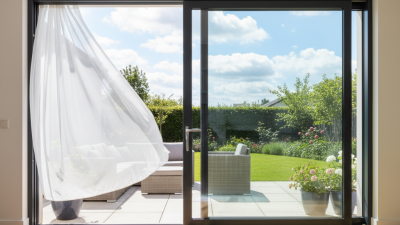
Top 10 Best Patio Windows for Global Buyers?

Choosing the right patio windows can change how a home feels, performs, and ages. Natural light may brighten a coastal living room, while poorly selected glass can invite heat, drafts, or condensation. For global buyers, the best option depends on climate, wall structure, local building practices, and available installation skills.

This guide examines ten leading patio windows with practical details in mind. It considers sliding, folding, hinged, and multi-panel designs. Frame materials, glazing layers, drainage, ventilation, security hardware, and maintenance needs also matter. A window that performs well in Canada may feel excessive in a mild Mediterranean climate. A sleek model suitable for a city apartment may require stronger wind resistance near an exposed shoreline.

Real-world experience often reveals what product brochures miss. Track systems can collect grit. Large glass panels need careful handling. Some impressive energy ratings apply only under specific testing conditions. Measure twice. Installation matters greatly. Even a high-quality window may leak air or water when the opening is poorly prepared.

The selections are not absolute winners for every household. Prices, warranty support, replacement parts, and professional installers vary between countries. Buyers should verify regional performance labels and confirm that the design suits local safety requirements. Independent measurements can help, but they do not replace advice from a qualified installer. This overview aims to make that comparison clearer, while acknowledging an uncomfortable truth: the most attractive patio windows are not always the most practical choice.
Top 10 Best Patio Windows for Global Buyers?

What Are Patio Windows and How Do They Differ by Design?

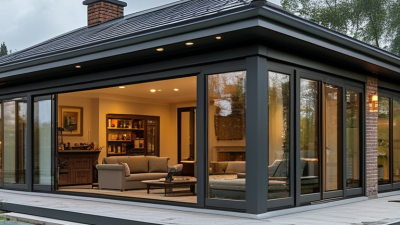
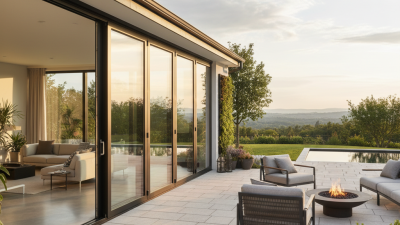
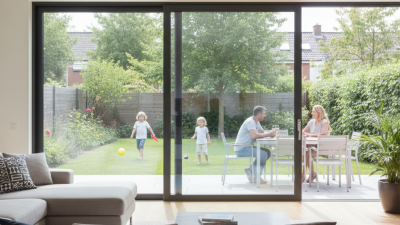
Patio windows are large glazed openings that connect an indoor room with a terrace, garden, or balcony. They may function as windows, doors, or both. Unlike standard wall windows, they often provide wider views, stronger airflow, and easier outdoor access.

Light changes everything.

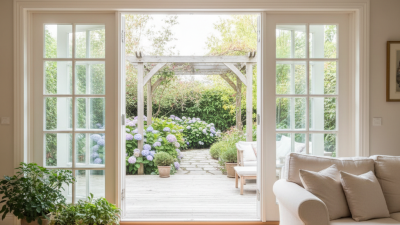
Their design affects daily comfort. Sliding patio windows move along tracks and save interior space, making them useful for compact rooms. Hinged French-style units open widely, but they require clear floor space and careful furniture placement.

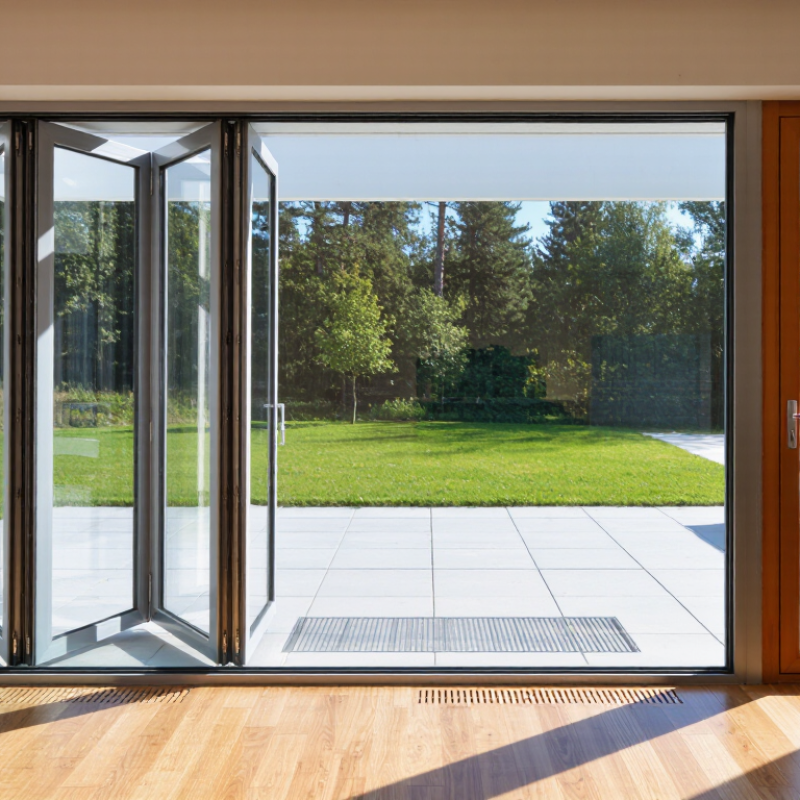
Folding systems create a broad opening by stacking several panels. They look impressive, although their hardware needs regular adjustment. Tilt-and-turn designs can provide ventilation without fully opening the wall, which may suit apartments or windy locations.

During a practical inspection, I would check the frame joints, drainage paths, locking points, and glass spacing. A low threshold feels convenient, but it must still manage rainwater correctly. In hot regions, solar-control glazing can reduce afternoon heat. In colder climates, insulated frames and double or triple glazing may improve interior comfort. Coastal buyers should examine corrosion resistance, not only appearance.

Small details matter.

No design is perfect. A wide glass area can increase heat gain, cleaning time, and privacy concerns. I would compare local weather, wind exposure, building requirements, and repair access before choosing a style.

Product claims also need verification through test reports, installation guidance, and qualified local fitting.

Key Features to Compare When Choosing Patio Windows

Top 10 Best Patio Windows for Global Buyers?

Key Features to Compare When Choosing Patio Windows

Patio windows should match local climate, not only appearance. The U.S. Department of Energy reports that windows can cause 25–30% of residential heating and cooling energy use. Compare U-factor, solar heat gain coefficient, visible transmittance, and air leakage ratings. Lower U-factor generally improves insulation, while a suitable SHGC can reduce overheating in sunny regions. Cold climates may need stronger solar gains. Hot climates often need lower gains.

Frame material also matters. Thermally improved aluminum can reduce heat transfer, while vinyl, wood, and composite frames offer different maintenance demands. Check drainage paths, corner seals, locking points, and corrosion resistance. Coastal air is unforgiving. For busy homes, laminated or tempered glass improves safety and sound control. Yet thicker glass does not automatically mean better performance. Certification and tested results matter more than showroom claims. NFRC rating data can help compare products consistently, although ratings may not reflect every installation condition.

Tips: Ask for whole-window performance, not glass-only figures. Confirm local wind, water, and energy requirements before ordering. The International Energy Agency reports that buildings consume about 30% of global final energy, so small design choices deserve attention. Measure the opening twice. I once saw a beautiful replacement fail because the sill was uneven. That detail is easy to miss. Also inspect the warranty, replacement hardware availability, and installer experience in your region. A cheaper window can become expensive after repeated adjustments.

Top 10 Best Patio Windows for Global Buyers

Key features to compare when choosing patio windows

The comparison index is an indicative 0–100 score based on commonly evaluated factors: thermal insulation, weather resistance, security, accessibility, and daylight performance. Actual results vary by glass specification, frame material, installation quality, climate, and local certification requirements.

Top 10 Patio Window Types for Different Global Needs

Top 10 Best Patio Windows for Global Buyers?

Top 10 Patio Window Types for Different Global Needs

Global buyers need more than attractive glass. Local climate, wall structure, ventilation, and maintenance access matter. The International Energy Agency reported that buildings use about 30% of global final energy. The U.S. Department of Energy also estimates that windows can cause 25–30% of residential heating and cooling energy use.

For hot, sunny regions, choose solar-control sliding windows, awning windows, or fixed panoramic units. Sliding windows save space on narrow balconies. Awning windows ventilate during light rain. Fixed windows provide daylight but no airflow. In cold climates, tilt-and-turn windows offer controlled ventilation and strong sealing. Lift-and-slide systems suit wide openings, while folding windows create larger access between rooms and patios. French casement windows provide a traditional appearance and broad ventilation.

For humid coastal areas, use corrosion-resistant frames and drainage channels. Hopper windows work well in basements or lower-level spaces. Bay and bow windows add interior seating, but they need stronger structural support. Pocket sliding windows disappear into the wall and suit compact homes, although repairs may be less convenient. The tenth option is a multi-panel stacking window, useful for restaurants and large terraces.

Performance depends on the whole assembly. ISO 10077-1 highlights frame and glazing thermal calculations, while NFRC testing evaluates U-factor and solar heat gain. Ask for tested values, not vague efficiency claims. I would not specify one design worldwide. Even a beautiful lift-slide unit can fail when drainage, wind pressure, or installation quality is ignored. Small details matter.

How Climate, Building Codes, and Installation Affect Selection

Top 10 Best Patio Windows for Global Buyers?

Choosing among the top ten patio windows starts with climate, not appearance. In humid coastal areas, corrosion-resistant hardware and sealed glazing deserve close attention. Hot regions benefit from low-solar-gain glass, exterior shading, and practical ventilation. Cold climates need insulated frames, warm-edge spacers, and reliable weather seals. Wind-exposed homes may require certified pressure ratings and impact-resistant glazing. The window should stay quiet during heavy rain.

Building codes also shape the selection. Local rules may control thermal performance, safety glazing, ventilation, fire separation, or opening sizes. Confirm these requirements with the building authority before ordering. A qualified installer should inspect the wall opening, drainage path, sill slope, and surrounding structure. Small measurement errors can create large leaks. Poor flashing can damage finishes within one season. Installation matters more than many buyers expect.

It is easy to overvalue glass features and underestimate maintenance. A large sliding panel may offer beautiful views but demand stronger tracks and frequent cleaning. Hinged designs can seal tightly, yet they need clear indoor space. My selection process is not perfect; cost, daylight, insulation, and ease of operation often conflict. I prefer written performance data, local installation experience, and a repair plan over attractive promises. Ask who will adjust the frame after settling.

Patio Window Materials, Costs, Maintenance, and Long-Term Value

Choosing patio windows starts with the frame material, not the lowest quoted price. Vinyl usually costs less and resists moisture, making it practical for humid regions. Aluminum offers slim profiles and strength, but it can transfer heat without thermal breaks. Wood provides warmth and insulation, yet it needs regular sealing. Fiberglass or composite frames often deliver better stability, though their initial cost may be higher. No material is perfect.

Glass selection changes both comfort and operating costs. Double glazing suits many moderate climates, while triple glazing may help in colder areas. Low-emissivity coatings can reduce heat gain and fading. Buyers should compare the window, installation, flashing, hardware, and local taxes together. A cheap unit may become expensive after poor sealing or repeated repairs. I have found that installation quality often matters more than a small material upgrade.

Tips: Inspect drainage holes twice a year, especially after heavy rain. Clean tracks with a soft brush, then check the locking points. Replace cracked seals early. Keep records of repairs and energy bills; they reveal long-term value better than showroom claims. Ask for tested air leakage, water resistance, and thermal data. Standards differ globally, so local building guidance still matters. One overlooked detail is orientation. A large west-facing window can make an attractive room uncomfortably hot.