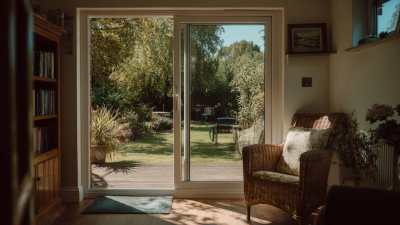
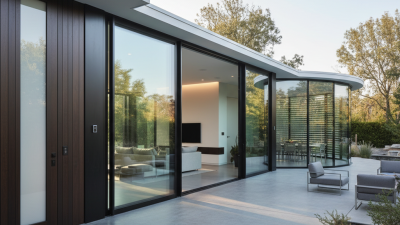
10 Best Sliding Door Manufacturers Worldwide?

Choosing a sliding door manufacturer involves more than comparing catalog photos or attractive prices. A reliable supplier must combine precise engineering, durable materials, responsive service, and tested production standards. This guide introduces 10 best sliding door manufacturers worldwide, focusing on practical performance rather than marketing language.

The comparison considers frame strength, glass quality, track design, weather resistance, thermal performance, customization, and installation support. These details matter in real settings. A door that glides quietly in a showroom may behave differently after years of dust, rain, and daily use. Experienced contractors often inspect wheel systems, drainage channels, locking points, and replacement-part availability before recommending a brand. Those small components matter.

Not every manufacturer suits every project. Some specialize in minimalist aluminum systems, while others focus on large residential openings, folding panels, or high-security commercial applications. Regional climate and building requirements can also change the best choice. A coastal home may need stronger corrosion protection. A cold-weather project may prioritize insulated frames and low-emissivity glass.

This overview uses publicly available company information, product specifications, industry experience, and practical selection criteria. Still, no ranking is completely objective. Product lines change, installation quality varies, and local distributors may offer different support. Consider this a careful starting point, not a final verdict. Always verify current certifications, warranties, lead times, and service coverage before placing an order. A beautiful door is useful only when it remains safe, smooth, and dependable.
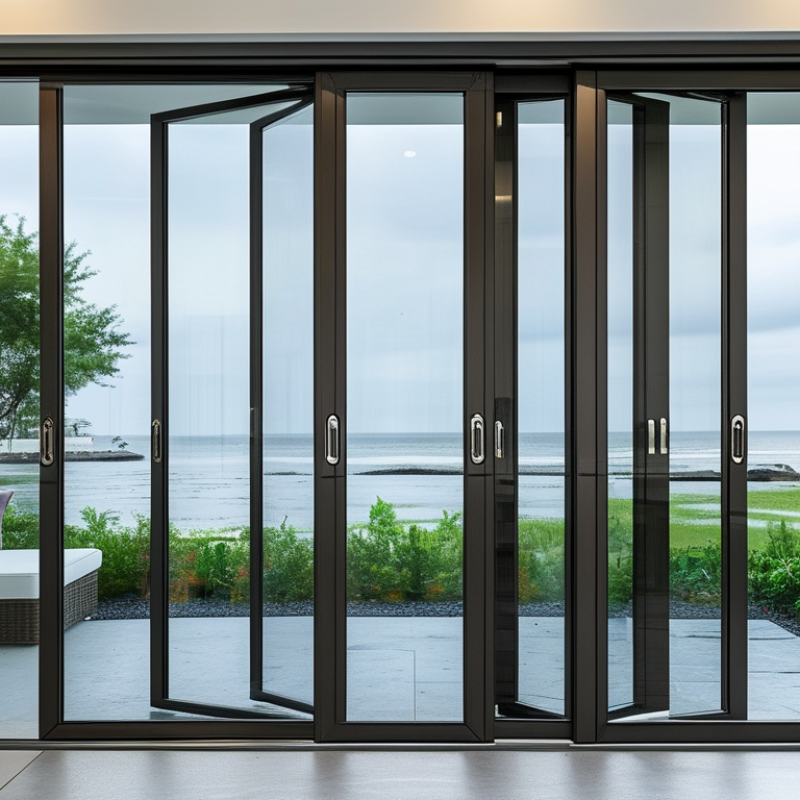
10 Best Sliding Door Manufacturers Worldwide?

How Sliding Door Manufacturers Are Evaluated Worldwide

10 Best Sliding Door Manufacturers Worldwide?

Sliding door manufacturers are evaluated through more than product appearance. Experienced buyers inspect frame accuracy, glass quality, drainage design, and hardware movement. A door should open smoothly after thousands of cycles, not only during a showroom demonstration. Reliable manufacturers provide test reports, installation guides, maintenance instructions, and clear warranty terms. They also explain performance ratings in practical language.

Regional conditions matter. A system designed for a dry climate may perform poorly near salty air or heavy rainfall. Strong manufacturers adapt materials, seals, and coatings to local environments. Their technical teams can answer questions about wind pressure, insulation, security, and replacement parts. Factory quality control is important, but installer training matters just as much. Even a well-made door can fail after careless fitting.

Tips: Request sample sections, test records, and recent project references. Check the rollers by opening the door slowly. Listen for grinding. Ask how damaged components are replaced. Compare lifecycle costs, not only purchase prices. No supplier is perfect. Some published claims may also need independent verification, especially when data appears unusually impressive. A careful evaluation balances engineering evidence, field experience, customer support, and honest communication.

How Sliding Door Manufacturers Are Evaluated Worldwide

This benchmark uses a neutral procurement framework based on the factors most commonly reviewed in international architectural and construction projects. Product quality, compliance, durability, energy performance, customization, delivery capability, sustainability, and after-sales service are shown as percentage weights rather than individual company scores.

The 10 Best Sliding Door Manufacturers and Their Market Strengths

Choosing the ten best sliding door manufacturers requires more than comparing showroom prices. Market strength appears in testing, production capacity, installation support, and long-term service. A reliable manufacturer publishes thermal, acoustic, air, water, and security performance. It also explains limitations clearly.

One leading profile is the high-volume aluminum manufacturer, valued for consistent production and broad distribution. Another specializes in thermally broken frames for cold climates. A third focuses on impact-resistant systems for severe weather. A fourth offers large architectural panels for hotels and modern homes. A fifth builds slim steel doors with strong visual appeal. A sixth combines timber interiors with weather-resistant exterior materials. A seventh serves replacement projects with practical sizes and faster delivery. An eighth develops automated doors for accessible residential and commercial spaces. A ninth competes through custom engineering and unusual opening dimensions. The tenth gains market strength through dependable regional installers and responsive warranty service.

Details matter.

From practical project experience, hardware quality often affects satisfaction more than frame appearance. Smooth rollers, adjustable locks, and replaceable seals reduce future service problems. Buyers should request test reports, installation instructions, warranty terms, and spare-part availability. Manufacturing scale can lower costs, but it may reduce customization. Hand-finished systems can look exceptional, yet lead times may become difficult. No ranking is perfect. Climate, wall structure, budget, and maintenance expectations can change the best choice. A manufacturer that performs well in one market may disappoint elsewhere. Reliable selection depends on verified performance, trained installation, and honest communication rather than impressive photography.

10 Best Sliding Door Manufacturers Worldwide? - The 10 Best Sliding Door Manufacturers and Their Market Strengths

Market Position Manufacturer Profile Primary Product Strength Typical Project Segment Geographic Reach Customization Energy-Efficiency Focus Automation Capability Key Market Strength
01 Profile A — Premium Architectural Systems Large-format thermally broken aluminum sliding systems Luxury residential and high-end hospitality International Very High High Optional motorized operation Minimal sightlines, advanced weather sealing, and oversized panel engineering
02 Profile B — High-Performance European Systems Insulated aluminum doors with multi-point locking Energy-efficient residential and commercial buildings International High Very High Available Strong thermal performance, tested air tightness, and broad configuration options
03 Profile C — Global Commercial Door Specialist Automatic sliding doors for high-traffic environments Retail, airports, hospitals, and office buildings International Medium to High Medium Advanced Reliable sensors, access-control integration, and compliance-oriented engineering
04 Profile D — Premium Timber-Aluminum Manufacturer Timber-aluminum and wood-clad sliding doors Custom homes, heritage projects, and boutique hotels Regional to International Very High High Limited to Optional Natural finishes, craftsmanship, acoustic comfort, and architectural flexibility
05 Profile E — Cost-Effective Aluminum Producer Standard and thermally improved aluminum sliding doors Mid-market housing and general construction International Medium Medium Optional Competitive pricing, scalable production, and broad hardware compatibility
06 Profile F — Minimalist Frameless Glass Specialist Frameless or near-frameless glass sliding partitions Modern interiors, offices, restaurants, and retail Regional to International High Low to Medium Optional Visual transparency, space efficiency, and clean contemporary detailing
07 Profile G — Impact- and Security-Focused Manufacturer Impact-resistant and security-rated sliding systems Coastal, public-sector, and security-sensitive projects Regional to International Medium to High High Optional Resistance to wind, forced entry, and severe weather conditions
08 Profile H — Passive-Building System Provider Highly insulated sliding doors for low-energy buildings Passive houses and high-performance commercial buildings International High Very High Available Low U-values, reduced thermal bridging, and detailed performance documentation
09 Profile I — Modular Interior Partition Manufacturer Interior glass, acoustic, and operable sliding partitions Corporate offices, education, and flexible workplaces Regional to International High Medium Optional Fast space reconfiguration, acoustic zoning, and efficient installation
10 Profile J — Regional Made-to-Measure Fabricator Custom aluminum, steel, or uPVC sliding doors Residential renovations and locally specified projects Regional Very High Varies by system Limited to Optional Responsive consultation, site-specific fabrication, and local after-sales support

Comparison criteria include product specialization, project suitability, customization, energy performance, automation, and geographic service capability. Actual specifications vary by product series, project requirements, and local building regulations.

Product Categories, Materials, and Sliding Door Technologies

Choosing among the 10 best sliding door manufacturers worldwide requires more than comparing prices. Product categories usually include manual interior doors, patio systems, lift-and-slide units, pocket doors, and automatic entrances. Each serves a different use. A quiet pocket door suits a bedroom, while a heavy lift-and-slide system needs stronger rollers and deeper tracks.

Materials reveal much about long-term performance. Aluminum offers slim frames and good weather resistance. uPVC generally provides strong insulation at a lower cost. Timber adds warmth but needs regular protection, especially in humid climates. Stainless steel is useful in demanding commercial spaces.

The U.S. Department of Energy notes that low-emissivity glazing can reduce heat transfer, making glass specification as important as the frame. Small details matter, such as thermal breaks, drainage holes, brush seals, and corrosion-resistant screws.

Technology separates ordinary systems from better-engineered ones. Automatic sliding doors may use radar, infrared sensors, soft-start motors, obstacle detection, and battery backup. Fortune Business Insights valued the global automatic doors market at about USD 2.98 billion in 2023 and projected continued growth through 2032. That growth reflects demand in hospitals, airports, retail spaces, and accessible buildings. Yet market size does not prove product quality. I would examine tested cycle counts, air-leakage ratings, acoustic data, installation support, and spare-part availability. The ranking is imperfect. A visually elegant door can still rattle after poor installation, and even premium hardware can fail when drainage is ignored.

Regional Coverage, Certifications, and Manufacturing Capabilities

Choosing the 10 best sliding door manufacturers worldwide requires more than comparing catalogs. Regional coverage matters because climate, building codes, and installation practices differ widely. Strong manufacturers support several markets through local plants, certified distributors, or regional service teams. Their delivery records should include remote project areas, not only major cities.

Certifications reveal process discipline, but certificates need careful checking. ISO 9001 can indicate controlled quality systems, while ISO 14001 reflects environmental management. Product approvals may vary by region and door type. Look for tested air tightness, water resistance, wind pressure, thermal performance, and safety glass compliance. Ask for current documents, testing laboratories, and certificate scopes. Expired paperwork is a warning sign.

Manufacturing capability also separates serious suppliers from attractive resellers. Reliable factories usually control profile forming, glass processing, hardware assembly, and final inspection. They should explain roller loads, track materials, drainage design, and replacement-part availability. Sample doors should open smoothly after repeated cycles, not only during a showroom demonstration. Small details matter.

A polished brochure is not proof.

From practical project reviews, installation guidance often affects performance as much as factory quality. Some manufacturers provide excellent engineering support but weak after-sales response. Others offer broad coverage yet depend heavily on outside production. That weakness deserves attention. The strongest shortlist combines verified regional experience, transparent certifications, measurable testing, and realistic manufacturing control.

How to Choose the Right Sliding Door Manufacturer for Your Project

Choosing a sliding door manufacturer starts with project conditions, not a catalogue image. Measure the opening, wall depth, exposure to wind, drainage path, and expected daily use. A coastal apartment needs different seals and corrosion protection than an interior office. Ask for documented air-leakage, water-resistance, and structural-load test results, such as ASTM E283, E331, and E330 data.

Energy performance also deserves careful attention. The International Energy Agency reported that buildings consume about 30% of global final energy, making envelope decisions increasingly important. The U.S. Department of Energy estimates that windows can account for 25–30% of residential heating and cooling energy use. Sliding doors are only one part of that envelope, but weak glass, poor seals, or thermal bridging can increase discomfort and operating costs. Request whole-door U-values, solar heat-gain data, glass specifications, and evidence from an independent laboratory.

Compare manufacturers by installation support, replacement-part availability, warranty exclusions, and response times. Examine the roller assembly, threshold height, drainage holes, locking points, and frame joints. A low quotation may hide difficult site preparation or expensive future hardware. No supplier gets every detail right. I would also ask for a real project reference with similar dimensions and climate conditions. Factory quality matters, but installation instructions must be clear enough for contractors to follow without guesswork. A beautiful door that binds after six months is still a poor specification.