What Are the Top Patio Doors UK Buyers Prefer?
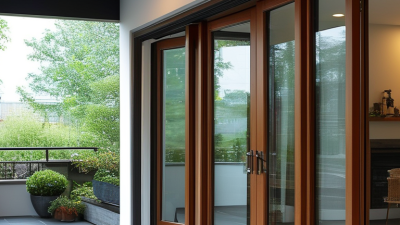
UK buyers rarely choose patio doors on appearance alone. They weigh daylight, security, insulation, space, and the view into the garden. In patio doors uk searches, sliding and bifold designs often lead the shortlist, but the best fit depends on the home. A narrow terrace may benefit from sliding panels that do not swing into the room. A wider opening can make bifold doors feel inviting, especially on a bright afternoon with the doors folded back.
“Measure the opening, then picture how you will use it every day.” That is practical guidance from a patio-door specialist, not a substitute for a site survey. Before choosing, check the frame material, glass specification, threshold, locking system, and installer’s credentials. Ask to see a working sample if possible. Feel the handle. Notice how smoothly the panel moves. Small details matter.
There is no perfect door for every property. Large glass panels can brighten a kitchen, yet they may need careful cleaning and thoughtful shading. And a beautiful showroom display can make a decision look easier than it is. This guide compares the patio door styles UK buyers tend to prefer, explains their trade-offs, and highlights the questions worth asking before requesting a quote.
What Patio Doors Are and Why They Matter for UK Homes
What Are the Top Patio Doors UK Buyers Prefer?
What Patio Doors Are and Why They Matter for UK Homes
Patio doors are glazed doors linking indoor rooms with a garden, balcony, or terrace. Common styles include sliding, hinged, and folding designs. Their broad glass panels bring daylight into kitchens and living rooms, while making outdoor spaces easier to reach. They also form part of a home’s weather and security barrier, so frame quality, locks, seals, and glazing matter—not just appearance.
The English Housing Survey 2022–23 reported that 87% of homes in England had full double glazing. This figure covers homes generally, not patio doors specifically, but it shows how established insulated glazing has become. For a patio opening, good seals can help limit draughts, while suitable glazing may improve comfort near the door. Results depend on installation and the rest of the building. A large glass area can still feel cold on a winter evening. No single style suits every home.
Which Patio Door Styles Are Most Popular Among UK Buyers
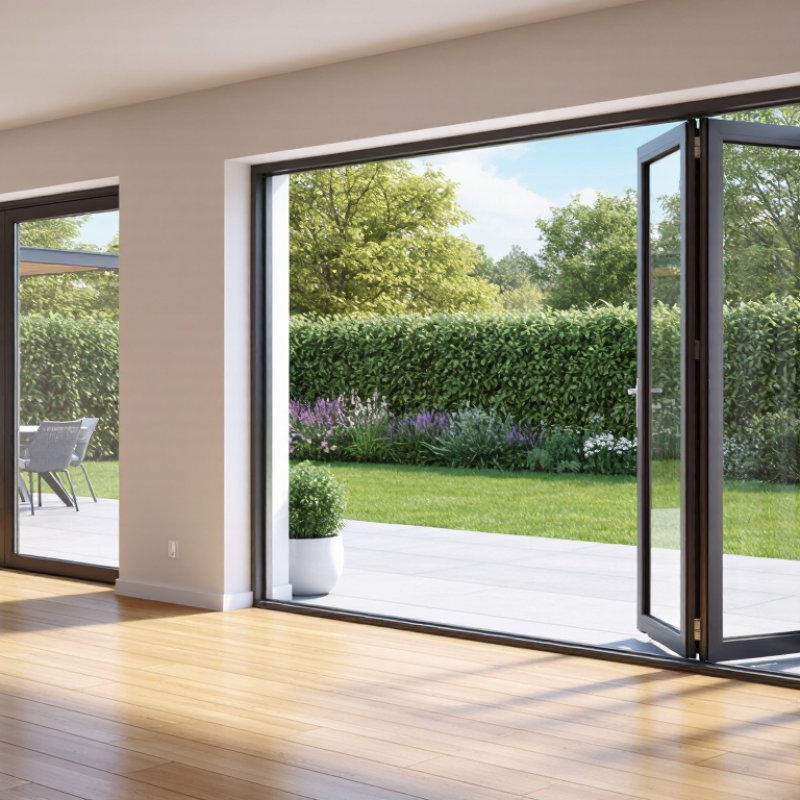
UK buyers often choose sliding patio doors for rooms where floor space is limited. The panels glide along a track, so furniture can sit close to the opening. Large glass panes also bring daylight into kitchens and living rooms. French doors remain popular for their familiar, balanced look and straightforward opening action. They suit narrower openings well. Bifold doors appeal to homeowners who want a wider connection to a garden, though their folded panels need somewhere to stack.
Tips: Measure the clear opening, not just the frame. Check where handles, curtains, and nearby furniture will sit. Ask an installer how the threshold and drainage will work, especially if the patio sits higher than the garden.
The right style depends on daily use, not appearance alone. Sliding doors can be convenient, but tracks need occasional cleaning to keep grit from affecting movement. French doors provide a generous opening, yet their swing may compete with a dining table or path. Bifolds can create a broad opening on warm days, but they are not automatically the best option for every home. I would compare sightlines, ventilation, maintenance, and the available wall space before choosing. Small details matter. A door that looks impressive in a showroom may feel awkward beside a real sofa or a narrow garden step.
How Materials Affect Patio Door Performance and Appearance
Material choice shapes how patio doors look, feel, and perform through changing UK weather. uPVC frames are usually low-maintenance and provide good insulation when paired with suitable glazing and tight seals. They can look bulky, though, especially across a wide opening.
Aluminium allows slimmer frames and larger glass panels, bringing more daylight into a kitchen or living room. Modern thermal breaks help reduce heat transfer, but frame quality and installation still matter. A sleek profile is not automatically the warmer option. Check the whole door specification, not just the material.
Timber brings natural grain and a softer, traditional appearance. It needs regular care, particularly where rain reaches exposed surfaces.
Composite frames can combine a timber interior with a weather-resistant exterior, though finishes and construction vary. Touch samples in daylight if possible. Colour can shift indoors.
On a damp, draughty site, even a well-made door may disappoint if the threshold or surrounding frame is fitted poorly. That detail is easy to overlook.
Choose a material that suits the building, your maintenance habits, and the way the doors will be used.
What UK Buyers Should Know About Energy Efficiency and Security
For UK homes, patio doors can bring in welcome daylight, but glass areas may lose heat if the whole unit is poorly specified. Compare the complete door’s U-value, not just the centre-pane figure; a lower U-value generally indicates better insulation. Ask how the frame, glazing, seals and threshold affect the finished performance. Small gaps matter. Even an efficient door can feel draughty when installation leaves uneven joints or a poorly fitted sill.
Security needs equal attention. Look for a robust frame, secure hinges and a multi-point locking system that engages properly. Ask whether the complete door set has been independently tested to a recognised standard, such as PAS 24, rather than relying on a lock description alone. Laminated glass may make forced entry harder, but glass type, frame strength and fitting all work together. No single feature guarantees security.
Check the installer’s plans for sealing around the frame and ask how they will keep the threshold weather-tight. A neat showroom sample cannot show every detail of the finished job. It is tempting to compare doors by appearance or price alone; that can miss the less visible parts that matter on a cold, windy evening. Read the performance documentation, and make sure it applies to the door size and configuration you are buying.
How to Choose Patio Doors for Different Homes and Budgets
Start with the opening and the room around it, not just the style. Sliding patio doors need little space indoors, so they can suit a compact kitchen or a terrace with outdoor furniture close to the wall. French doors open wide, but their swing needs clear floor space. Folding doors create a broad opening, though their panels and tracks can cost more and need careful upkeep. Measure twice. Check where rainwater drains, too.
Set the budget around the whole job: door, fitting, finishing, and any changes to the opening. For older homes, ask an experienced installer to check the frame, threshold, and surrounding masonry before quoting. A low price can look less attractive if the opening needs repairs. Compare whole-door U-values, not glass-only figures. England’s Approved Document L, Volume 1 (2021), sets a limiting U-value of 1.4 W/m²K for replacement windows and doors; requirements can differ elsewhere in the UK. Ask suppliers to show the product’s documented performance and confirm which local rules apply. I would not assume the most glazed option is always best: a shaded room may benefit from larger panes, while a sunny room can become uncomfortably warm. Check ventilation, security, and cleaning access before choosing.
Related Posts
-
Best Patio Doors in China for Global Buyers?
-
Why Choose the Best Sliding Patio Doors for Your Home?
-
7 Best Patio Doors for Homes and Businesses
-
Upgrade Your Home A Comprehensive Guide to Patio Door Replacement
-

2025 Top Custom Patio Doors Trends to Enhance Your Outdoor Space
-
Why Consider Patio Door Replacement for Your Home?