Who Are the Top Manufacturers of Vinyl Sliding Doors in China?
China has a broad market for vinyl sliding doors, serving residential projects, renovations, and commercial developments. Yet “top manufacturer” can mean different things. One buyer may value consistent production, while another needs custom sizes, reliable export support, or a particular frame finish. This guide looks beyond polished catalogs to the practical details that help distinguish suppliers.
For each company, useful questions include: What door systems does it make? Can it provide clear product specifications, material details, and test documentation? How does it handle samples, packaging, lead times, and after-sales questions? A close look at track design, seals, glazing options, and frame construction can reveal more than a product photo. Small details matter. A smooth-looking sample, for instance, does not by itself prove dependable performance across a full order.
This overview is intended as a starting point, not a certified ranking. Manufacturer capabilities can change, and public information may not answer every question. That is a limitation worth admitting. Buyers should verify current specifications directly and compare quotes on the same basis, including dimensions, hardware, and delivery terms. The companies discussed here can help readers begin their search for vinyl sliding doors in China, but the best fit depends on the project, the evidence available, and the supplier’s ability to communicate clearly. Some details still need checking.
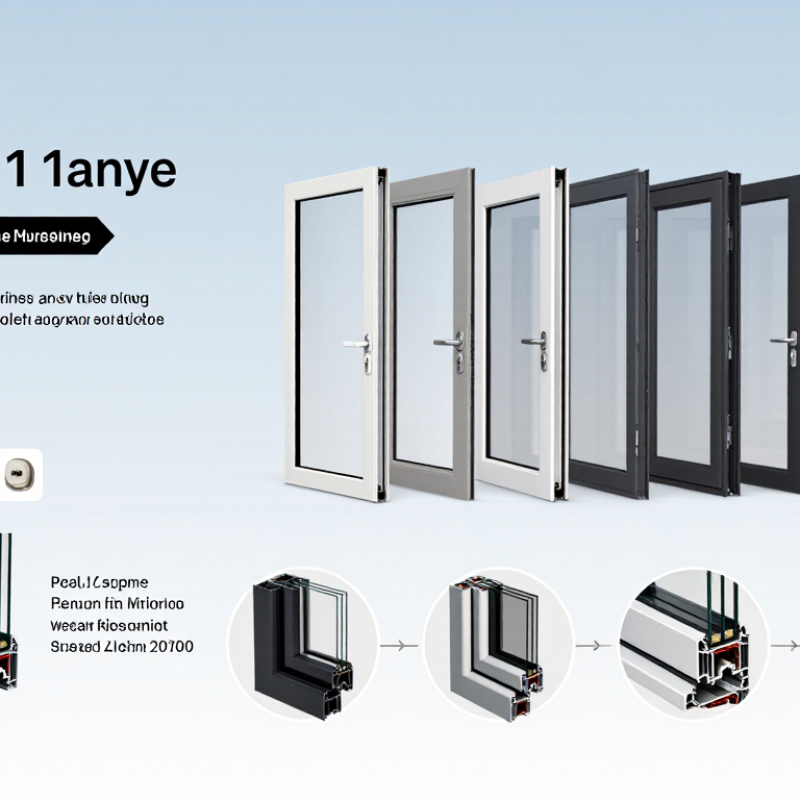
PVC-U Sliding Doors in China: Product Scope Under GB/T 8478-2020
When comparing China’s vinyl sliding-door manufacturers, confirm the standard before comparing product claims. GB/T 8478-2020 applies to aluminium alloy windows and doors; it does not define PVC-U sliding-door scope. That distinction matters. For PVC-U doors, check the applicable plastic-door standard, such as GB/T 28886-2012, alongside project specifications and any later revisions. A catalogue that cites GB/T 8478-2020 for a PVC-U frame may be using a broad or inaccurate reference.
For a useful comparison, request test reports for the exact sliding-door configuration, not just a profile sample. Check frame and sash dimensions, reinforcement, glazing thickness, seals, rollers, locks, drainage, and the reported air, water, and wind-pressure performance. Small details count: a poorly adjusted roller can make a large sash drag across its track. The International Energy Agency’s 2023 Global Status Report for Buildings and Construction estimates that buildings account for about 30% of global final energy use. That figure is not a door-performance rating, but it reinforces why insulation and installation details deserve scrutiny. Paper compliance alone is not the whole story. A real project should verify the tested assembly matches the delivered one.
How to Rank Manufacturers: Output, Certifications, and Test Records
Who Are the Top Manufacturers of Vinyl Sliding Doors in China?
How to Rank Manufacturers: Output, Certifications, and Test Records
A useful ranking starts with verified production capacity, not a large number on a sales sheet. Ask for recent output records, active production lines, and typical lead times for comparable orders. A factory producing thousands of doors monthly may still struggle with consistent assembly. Numbers can mislead.
Check whether certifications apply to the actual product and target market. Request current documents, issuing-body details, and scope information. Then compare them with the door’s frame profile, glass configuration, rollers, locks, and weather seals. A certificate for one configuration may not cover another. This detail is easy to miss.
Test records can show how doors perform under repeated operation, air leakage, water penetration, and wind pressure. Look for dated reports that identify the tested model and setup. Compare results only when the test conditions are similar. Records matter. If possible, inspect a production sample and match its components against the report. A factory visit can also reveal how it checks dimensions and rejects faulty parts. No single metric settles the ranking; even a well-documented supplier may have uneven batches, so independent checks remain worthwhile.
Leading Chinese Manufacturers: Company Profiles and Product Specialties
China’s vinyl sliding-door manufacturers often differ more in production focus than in appearance. One common profile is the large, vertically integrated factory. It may extrude its own frames, assemble insulated glass, and run automated cutting lines. This setup can support consistent sizing and higher order volumes. Buyers should still check how the factory handles custom dimensions and replacement parts.
Another profile is the export-focused manufacturer, often experienced with protective packing and project documentation. Its product range may include multi-panel doors, low-profile tracks, and reinforced frames for wider openings. Some manufacturers specialize in customized systems, such as narrow sightlines or specific frame colors. Ask for section drawings, hardware details, and test information tied to the exact configuration. A sample corner joint can reveal more than a polished catalog. Small details matter.
A careful comparison should include drainage paths, roller access, gasket placement, and glass specifications. Request a written quotation that separates frame, glazing, hardware, and packing costs. Factory visits or independent inspections can help confirm equipment and quality checks. Yet paperwork is not perfect evidence; production batches can vary. I would also test a full-size sample if the project allows, because a smooth showroom panel may behave differently after repeated daily use.
Compare Thermal Insulation Grades Under GB/T 8484-2020
Who Are the Top Manufacturers of Vinyl Sliding Doors in China?
GB/T 8484-2020 grades thermal insulation using the heat transfer coefficient, K, measured in W/(m²·K). The scale runs from Grade 1, above 5.0, to Grade 10, at or below 1.0. Lower is better. Each step reflects a tighter range, generally changing by 0.5 W/(m²·K). When comparing manufacturers, check the tested door assembly’s grade, not just claims about its vinyl frame. Glazing, seals, frame design, and test conditions all affect the result.
Thermal performance matters beyond the laboratory. UNEP and the Global Alliance for Buildings and Construction report that building operations account for about 30% of global final energy use. A well-rated sliding door can help limit heat transfer, but its real-world performance depends on installation and sealing. A small gap at the meeting stile can undermine an impressive test result. Grade alone is not the whole story.
Tips: Request the GB/T 8484-2020 test report. Compare doors with matching dimensions and glass configurations, and check the reported K value and grade. Also inspect the threshold and perimeter seals. A tidy specification sheet can still leave questions unanswered.
Check Air, Water, and Wind Resistance Under GB/T 7106-2019
For vinyl sliding doors, GB/T 7106-2019 provides a practical way to assess air permeability, watertightness, and resistance to wind load. The test results matter more than a broad claim of “high performance.” Ask for a report that identifies the tested door, its dimensions, and the performance grades. Small gaps matter.
In an air-pressure test, a chamber measures leakage through the closed door and its joints. For water testing, spray nozzles wet the exterior while pressure rises in controlled steps. Watch for water passing the inner face, not just water collecting in the track. Wind-load testing applies pressure to the specimen and records deformation or damage. A stiff frame is not enough if the sash shifts or the locking points loosen.
Check that the report matches the proposed profile, glass, hardware, and opening size. A result from a smaller sample may not represent a wider door. Installation also changes real-world performance; uneven shims or incomplete sealing can undermine good factory results. Reports are useful, but they are not magic. Ask how the test specimen was mounted, and compare results under the same standard and configuration. One detail is easy to overlook: sliding tracks need clear drainage paths, yet those paths must not become easy routes for wind-driven rain.
How GB/T 7106-2019 Classifies Vinyl Sliding Door Performance
GB/T 7106-2019 assesses air permeability, watertightness, and resistance to wind pressure using separate grading scales. The chart shows the number of available grades for each test—not product ratings or a manufacturer ranking. Compare test reports for the specific door size and configuration when evaluating products.
Related Posts
-
China Top 10 Patio Doors UK Manufacturers for Global Buyers
-

10 Tips for Choosing Sliding Patio Doors
-

10 Best Custom Sliding Glass Doors for Modern Homes?
-
10 Essential Tips for Choosing Aluminium Sliding Patio Doors for Your Home
-
Top 10 Best Sliding Patio Doors for Your Home Needs?
-

Essential Guide to Sliding Glass Door Replacement: Enhancing Your Home's Aesthetics and Security