Why Are Sliding Glass Doors So Popular?

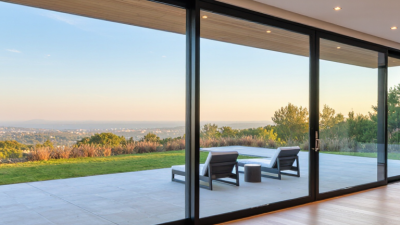
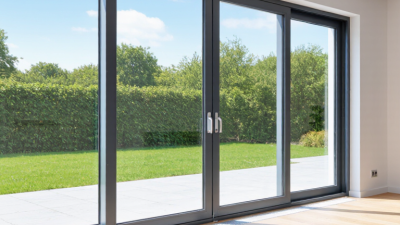
Sliding glass doors are popular because they bring daylight, views, and easy access into everyday rooms. A wide pane can make a small living area feel more open. On a sunny morning, it can brighten the floor and frame the garden beyond. The effect is simple, but noticeable.

Architect Frank Lloyd Wright wrote, “The space within becomes the reality of the building.” His words speak to how a home feels, not to sliding doors alone. Yet the idea helps explain their appeal: a glass opening can connect indoor routines with an outdoor setting. Sliding glass doors also move along a track, so they do not swing into furniture or walkways. That practical detail matters in compact spaces.

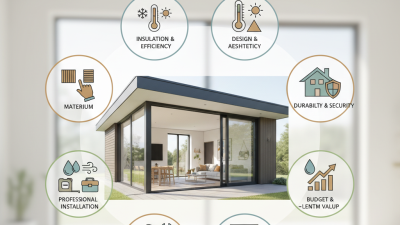
Still, popularity does not mean every home needs them. Glass can admit unwanted heat or create glare, depending on orientation and shading. Tracks collect dust. Older rollers may drag or rattle. Small drawbacks, but real ones. The frame, glazing, hardware, and installation all affect comfort and performance. A careful choice should account for climate, privacy, maintenance, and how the door will be used each day. This article explores why sliding glass doors remain a favorite, what benefits homeowners notice, and which trade-offs deserve a closer look.
Why Are Sliding Glass Doors So Popular?

What Defines a Sliding Glass Door?

What Defines a Sliding Glass Door?

A sliding glass door is a glazed exterior door with panels that move horizontally along a track. Usually, one panel slides while another remains fixed. Rollers carry the moving panel; a frame, weather seals, and locking hardware complete the assembly. Unlike a hinged door, it needs clear floor space beside the opening, not a wide swing arc.

The track matters. Dust or grit can make sliding feel rough, even when the door looks clean.

The term describes its operation, not a single material or performance level. Frames may be made from aluminum, wood, vinyl, or combinations of materials. The AAMA/WDMA/CSA 101/I.S.2/A440 standard covers sliding doors and evaluates factors such as air leakage, water penetration, and structural performance.

Check the product’s tested ratings for the local climate and exposure; “glass door” alone says little about weather resistance.

Glazing and the Trade-Off

Glazing is a major part of the definition, and a major part of the trade-off. The U.S. Department of Energy’s Energy Saver guidance estimates that windows account for 25–30% of residential heating and cooling energy use. That figure applies to windows overall, not specifically sliding doors. Still, it explains why glass type, seals, and installation deserve attention.

A broad pane brings daylight and a clear view, but it can also reveal fingerprints, glare, and temperature differences near the glass.

How Sliding Glass Doors Work

A sliding glass door works by letting one panel travel sideways along tracks while another panel usually stays fixed. Small rollers beneath the moving panel carry its weight and guide it across the sill. The handle operates a latch that catches the frame, rather than pulling the panel shut like a hinged door. Simple, but precise.

The top track helps keep the panel upright, while the bottom track supports its movement. Adjustable rollers can help correct a panel that drags or sits unevenly, though adjustment is not a cure for every problem. Dirt and grit collect in the lower track, so a quick vacuum can make the door glide more smoothly. The frame also holds weatherstripping along the edges, reducing drafts when the door is closed. It is not an airtight seal.

Drainage matters, too. Many frames have small openings that let rainwater escape from the track. Blocking them can leave water sitting near the sill. The design is clever, though not foolproof: poor alignment may make a heavy panel feel stubborn, and worn rollers can cause scraping. A door should move without force. If it does not, check the track and alignment before assuming the glass itself is the problem.

Which Design Features Make Them Practical?

Sliding glass doors are practical because they open a room to a patio without taking up the floor space a swinging door needs. A wide glass panel also brings daylight deeper indoors and makes small rooms feel less enclosed. The useful details are often easy to overlook: smooth rollers, a sturdy frame, weather seals, and a track that is simple to clean. A low threshold can make daily passage easier, though drainage and water resistance still matter.

Glazing deserves careful attention. The U.S. Department of Energy’s Energy Saver guidance estimates that windows account for about 25–30% of residential heating and cooling energy use, so a large glass opening should be chosen with climate and orientation in mind. Low-emissivity coatings, insulated glass, and well-sealed frames can help limit unwanted heat transfer. Ask for performance ratings suited to local conditions, rather than assuming every glass door performs alike.

Not maintenance-free. Dust and grit can build up in the track, and worn seals may cause drafts over time. A quick routine of cleaning the track and checking the seals can preserve smooth operation, but it will not compensate for poor installation.

Where Are Sliding Glass Doors Commonly Used?

Why Are Sliding Glass Doors So Popular?

Where Are Sliding Glass Doors Commonly Used?

Sliding glass doors commonly connect living rooms, kitchens, or bedrooms to patios and balconies. Their wide panels bring daylight inside while preserving floor space. The National Association of Home Builders’ 2024 What Home Buyers Really Want report found that 86% of buyers considered a patio desirable or essential. That helps explain why patio-facing doors are a familiar feature in new homes. They also appear in apartments, hotels, and commercial spaces where a broad, convenient opening is useful.

However, a large glass opening is not automatically the best choice for every room. The U.S. Department of Energy estimates that windows account for 25–30% of residential heating and cooling energy use. That figure concerns windows, not sliding doors, but it highlights why glazed openings deserve careful attention. Exposure, frame quality, and glass performance can affect comfort near the doorway.

Tips: Check the door’s energy-performance information and make sure its track suits the opening. Keep the track clear of grit; even a small pebble can make the panel drag. A sunny west-facing room may need better glare control. It is an easy detail to overlook.

Why Do Homeowners Choose Sliding Glass Doors?

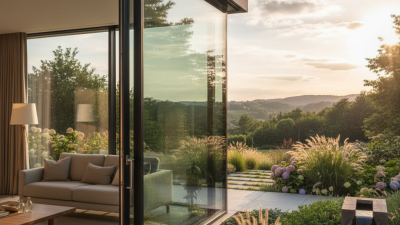
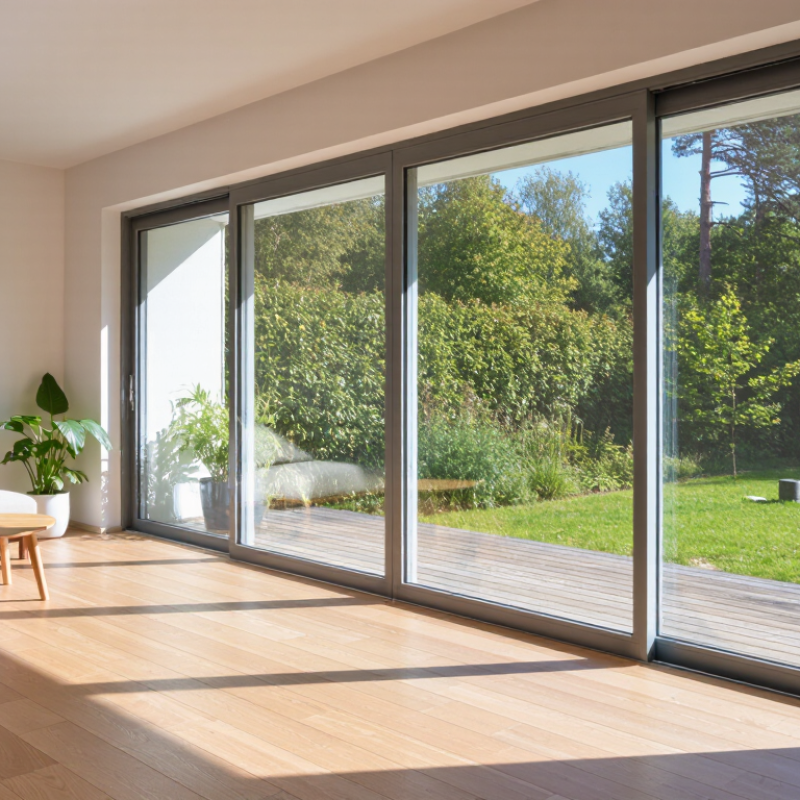
Homeowners often choose sliding glass doors because they bring daylight into rooms that might otherwise feel enclosed. A wide pane can brighten a kitchen on cloudy mornings and make a small dining area feel less boxed in. The view connects a room with a patio, garden, or balcony without taking space from furniture. Light changes a room. When the glass is clean, even a modest yard can feel closer.

Convenience is another draw. The panels glide along a track, usually needing less clearance than a hinged door in a crowded room. That can help when carrying groceries or guiding a stroller outside. Homeowners also value broad openings for fresh air and easier movement between indoor and outdoor seating. The practical details matter, though. Tracks collect grit, and rollers may need adjustment over time; a sticky panel is frustrating. It is easy to focus on the view and forget the track. Good installation and routine cleaning can reduce problems, but they cannot erase wear. Privacy and heat loss deserve thought, too. Depending on orientation and glass specifications, strong sun can warm a room, while nighttime reflections may reveal more than expected. Blinds, curtains, or suitable glazing can help, though each option changes the room’s look or upkeep.

Why Are Sliding Glass Doors So Popular? - Why Do Homeowners Choose Sliding Glass Doors?

Homeowner Priority Why Sliding Glass Doors Appeal Practical Consideration
Natural light Large glazed panels can bring daylight into rooms and create a brighter connection between indoor and outdoor spaces. Glass area, orientation, shading, and glazing specifications affect glare and heat gain.
Outdoor views Broad glass panels provide a relatively open view of a patio, garden, or landscape when the door is closed. Frame design and the number of panels influence how much of the opening is unobstructed.
Space efficiency Sliding panels move along a track rather than swinging into the room or onto the patio, preserving clearance near the doorway. The track needs to remain clear, and the moving panel requires enough space to slide beside the fixed panel.
Indoor-outdoor access A sliding door can provide a convenient route between common living areas and an adjoining deck, patio, or balcony. Opening width and threshold design affect how easy the doorway is to use.
Ventilation Opening one or more panels can allow fresh air to circulate through the home. Ventilation depends on the opening size, airflow around the home, and local weather conditions.
Contemporary appearance Simple frames and large glass areas suit many modern and transitional home designs. Frame material, finish, and proportions should complement the home’s architecture.
Energy performance Modern units are available with insulated frames and high-performance glazing, which can help manage heat transfer. Performance varies by product, glass specification, installation quality, climate, and applicable energy requirements.
Everyday maintenance Sliding doors have a straightforward operating mechanism and large glass surfaces that are generally easy to clean. Tracks and rollers need periodic cleaning and inspection to help the panels move smoothly.
Security and safety Current products can include locking systems and safety glazing options suited to their intended location. Security and impact resistance depend on the complete door assembly, its hardware, glazing, and correct installation.

Note: Features and performance differ between door models and installations. Check product specifications and local building requirements when choosing a sliding glass door.